
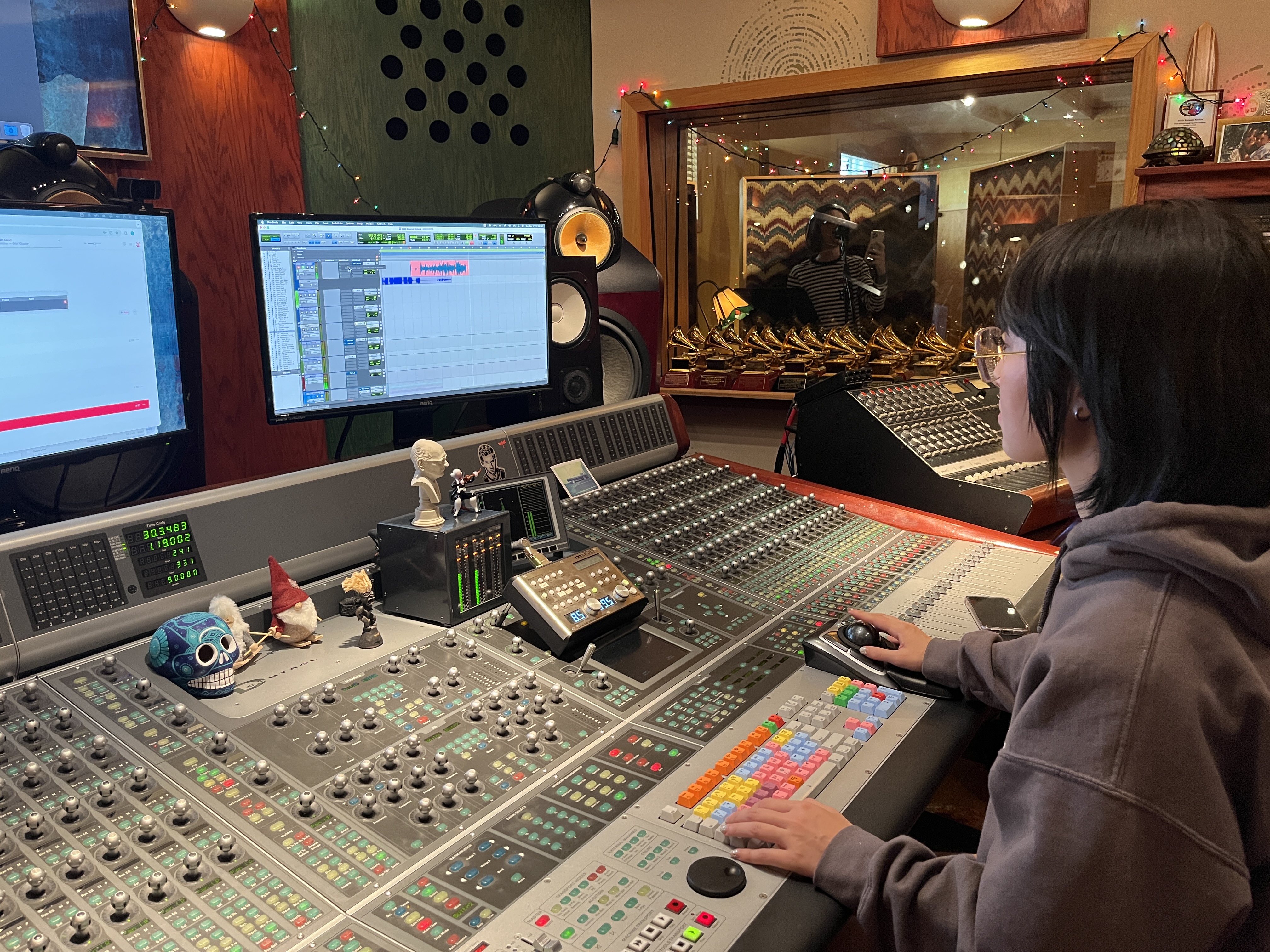
Photo Credit Craig Dikes
Global storytelling has expanded far beyond traditional mediums, and few projects reflect that shift as clearly as Reverse: 1999, Bluepoch Games’ internationally acclaimed RPG. Designed as a cinematic, narrative-driven experience within an interactive format, the game brings together creative teams across countries and languages to build a richly layered world shaped by history, conflict, and time itself. Its ambitious scope and international collaboration make it a standout example of how modern game production operates on a truly global scale.
Reverse: 1999 is built on a premise rooted in real-world anxiety. As the real world once braced for technological collapse at the turn of the millennium, the world of the game experiences an event called The Storm, which disrupts time itself and fractures different eras of the previous century. Within this chaos unfolds a layered social conflict between the Arcanum and the Manus Vindictae. Like Star Trek or Les Misérables, the narrative prompts reflection on persecution, war, and morality. The story operates on both epic and deeply personal levels, making empathy for its characters central to the player experience.
For players to become fully immersed, emotional investment is essential. The creators pursued a cinematic approach to storytelling, ensuring that character motivations, turning points, and revelations were treated with dramatic weight. This required powerful performances from voice actors as well as meticulous preservation of subtle performance details. At the same time, the game’s intense combat and high-stakes gameplay sequences demand equally strong sonic impact. The emotional spectrum ranges from restrained vulnerability to explosive intensity, and every moment must remain technically flawless to maintain immersion. Even minor audio distractions can weaken narrative impact and pull players out of the experience.
Capturing this range requires careful technical oversight. Quieter lines must retain intimacy without introducing noise, while sudden emotional bursts must remain clean and controlled. The engineering process must track dynamic shifts closely, ensuring that the emotional arc of a performance remains intact. In narrative anchor moments especially, clarity and transparency allow the pacing and emotional intention of the developers to reach players without interference. The goal is always to place the player inside the world of the game.
The creative workflow in gaming differs significantly from that of film and television. In traditional linear storytelling, dialogue unfolds within a fixed sequence. In gaming, voice work must be modular, repeatable, and flexible, functioning across countless potential player paths. Dialogue is no longer simply a performance within a scene; it becomes an adaptable asset that must operate seamlessly in an interactive environment. This shift from linear to interactive storytelling requires a fundamentally different engineering mindset.
Syllous Mai stepped into this world of interactive storytelling as the voice-over audio engineer for Reverse: 1999 during sessions at One Line Studios. Known for her work as a sound designer and sound editor in numerous acclaimed international film and television productions, this marked her venture into video game production. Her transition into gaming highlights not only her technical versatility but also her ability to adapt creatively across mediums.
What made her particularly valuable on Reverse: 1999 was her recording studio expertise and her fluency in English, Mandarin, and Cantonese. Given the international collaboration behind the project, her multilingual abilities helped streamline communication among teams. Even when English served as the primary working language, the ability to clarify direction, confirm pronunciation, and ensure alignment across languages reduced friction and made sessions more seamless. This cross-cultural facilitation enhanced both efficiency and creative cohesion.
Her role on Reverse: 1999 also placed her within a large-scale international production environment. Game development often involves collaboration across multiple countries, departments, and time zones, requiring streamlined communication and technical precision to maintain workflow efficiency. Her fluency in English, Mandarin, and Cantonese supported alignment during recording sessions, particularly in clarifying pronunciation, direction, and performance intent. This contributed to smoother sessions and reduced the potential for miscommunication in a multilingual production setting.
At the same time, her background in film and television informed her handling of narrative material within the game. Maintaining emotional pacing, preserving subtle performance details, and ensuring technical stability remained central priorities. The experience reflects an expansion of her professional scope, demonstrating the ability to apply cinematic storytelling sensibilities within an interactive framework while meeting the structural and technical demands unique to gaming.
As gaming continues to expand worldwide, professionals who can combine technical mastery, narrative sensitivity, and cross-cultural communication will remain essential. In that evolving landscape, Syllous represents a new generation of audio professionals equally at home in film studios and interactive worlds.
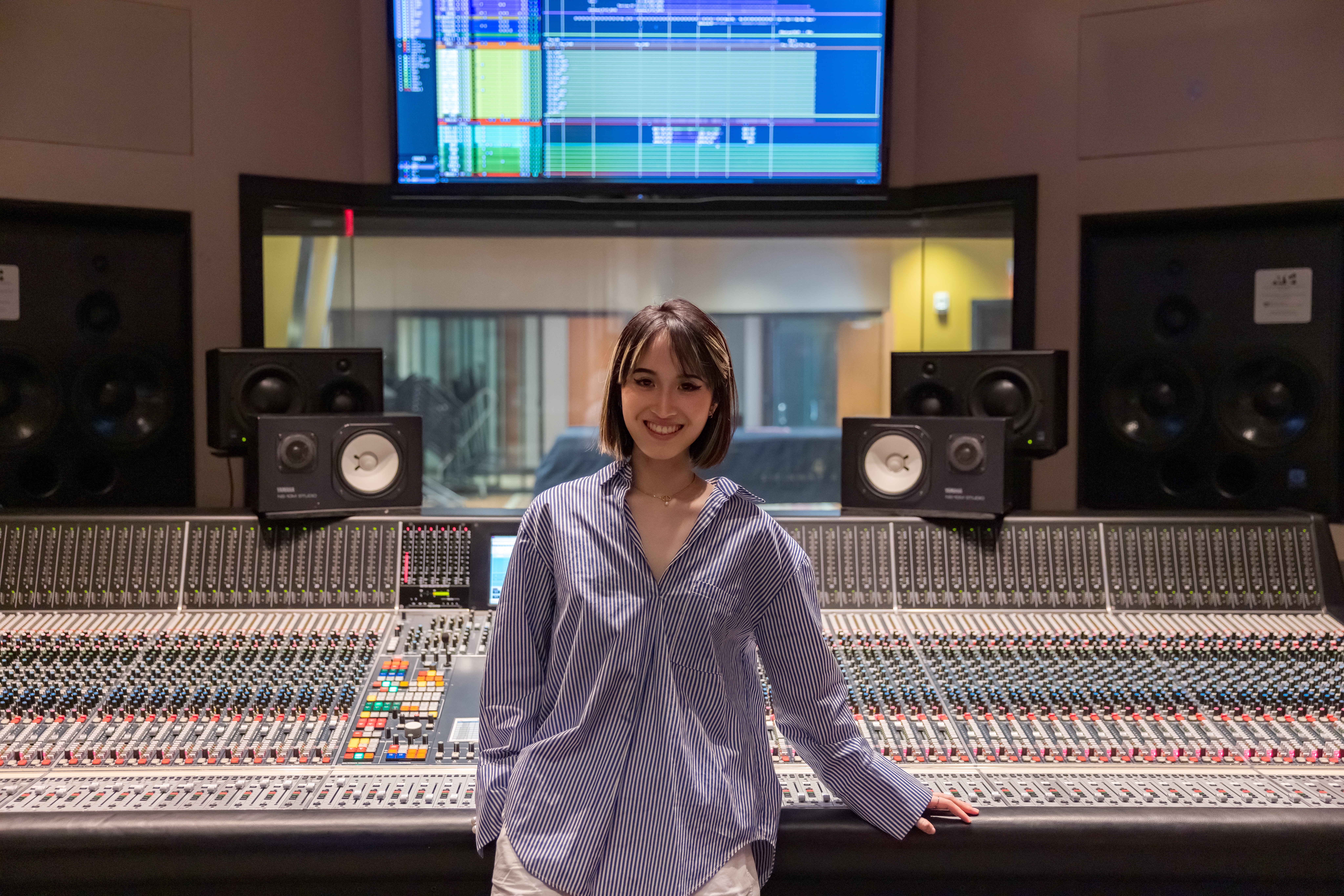
Photo by Caffrey Chen
 Tinsel Town News Now