

Daisy Anderson’s emergence as a screenwriter marks the arrival of a bold and distinctive voice—one that is deeply invested in the contradictions, complexities, and emotional interiority of women. Across her work, Anderson demonstrates a clear commitment to crafting female characters who resist simplification. They are messy, often contradictory, sometimes morally ambiguous, and always human. Whether through dark comedy or dystopian thriller, her writing consistently interrogates the expectations placed on women while allowing her characters the freedom to exist beyond them.
Anderson’s creative trajectory began not behind the camera, but in front of it. With a background in acting, her transition into screenwriting during the COVID-19 lockdowns was both a personal risk and a natural evolution. That leap resulted in her debut film, The Unrequited Life of Farrah Bruce (2023), a dark comedy which set the tone for her thematic interests. Writing, directing, and acting in the project, Anderson established herself as a storyteller willing to examine uncomfortable emotional truths through humor and heightened narrative situations.
At the center of The Unrequited Life of Farrah Bruce is Farrah, a young woman admitted to a surreal, new-age rehabilitation facility designed to treat her “love of love.” This premise alone signals Anderson’s willingness to explore female desire and romantic fixation without judgment, but also without romanticization. Farrah is not a passive victim of heartbreak; she is an active participant in her own destructive patterns. As the narrative unfolds, her introspection leads to increasingly extreme behavior, culminating in the attempted murder of one of her lovers—a narrative turn that is as shocking as it is thematically revealing.
Farrah exemplifies Anderson’s interest in what she herself describes as “bad” women, characters who contain both vulnerability and volatility. Rather than presenting a sanitized version of femininity, Anderson leans into the discomfort of these contradictions. Farrah’s longing for connection exists alongside her capacity for obsession and harm, creating a character who feels both exaggerated and deeply recognizable. It is precisely this duality which gives the film its emotional and comedic power.
The success of The Unrequited Life of Farrah Bruce won Best Short Film at the Adelaide Film Festival and received multiple accolades, including recognition for editing and cinematography. This serves to underscore the resonance of Anderson’s approach. The film’s festival run, including selections at St Kilda Film Festival and the Short Com International Comedy and Animation Festival in Glasgow, further highlights its ability to connect with diverse audiences. Yet beyond its accolades, the film’s lasting impact lies in its unapologetic portrayal of a woman grappling with her own emotional contradictions.
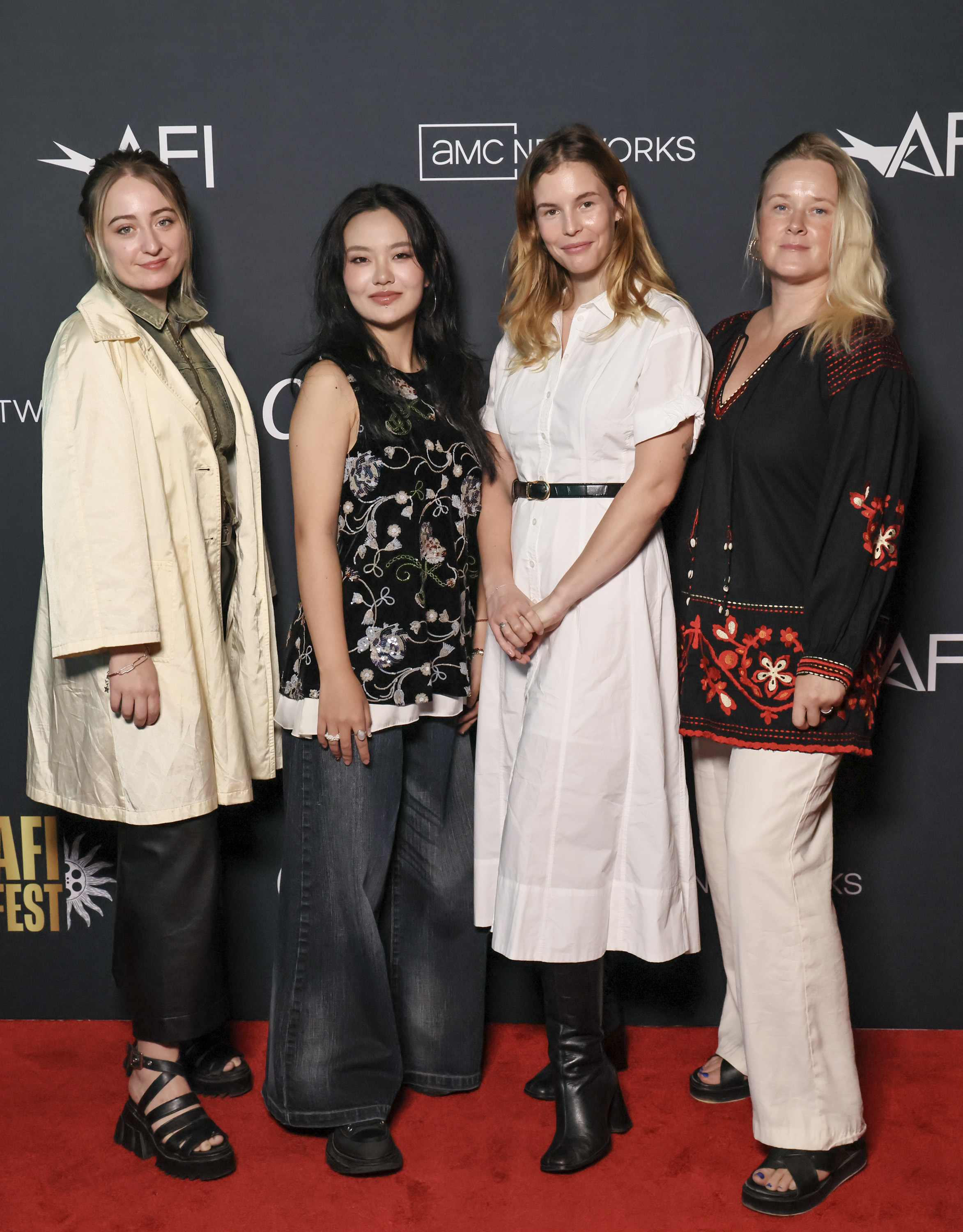
If Farrah Bruce introduced Anderson’s voice, her 2025 film Song of Silence expands it into new and ambitious territory. Co-written with director Vasilisa Kuzmina, the film is a dystopian thriller set in the year 2071 which follows a matriarchal society that has emerged from the ruins of a patriarchal past. The story centers on Greta, a powerful leader navigating the delicate balance between protecting her community and confronting the return of her son, Adam—a figure whose presence threatens the fragile order the women have built.
Here, Anderson’s focus on female characters evolves from the personal to the societal. The women of Song of Silence are not simply individuals; they are architects of an entirely new world. Yet even within this speculative framework, Anderson grounds the story in emotional truth. Greta’s central conflict, her love for her son versus her duty to her community, anchors the narrative in a deeply human dilemma. It is this emphasis on relationships rather than spectacle which allows the film to maintain authenticity despite its extraordinary setting.
The film’s use of American Sign Language (ASL) further clarifies Anderson’s unique approach to storytelling. Although not initially conceived as an ASL-driven project, the decision to translate the script into a predominantly visual language adds a captivating dimension to the narrative. For Anderson, this process reinforced the idea that storytelling extends beyond words. Watching her dialogue transformed into physical expression offered a rare opportunity to see her writing interpreted in a completely different medium, deepening the emotional impact of the story.
Song of Silence also continues Anderson’s commitment to female-driven narratives by featuring an almost entirely female cast and creative team. This emphasis is not merely representational; it is integral to the film’s thematic core. The matriarchal society depicted in the story is both a response to and a critique of patriarchal systems, raising complex questions about power, survival, and morality. The revelation that the women have been systematically killing returning men to preserve their way of life complicates any simplistic reading of the narrative. Once again, Anderson resists easy answers, instead presenting a world where right and wrong are deeply entangled.
The film’s critical success—including premieres at Fantasia Film Festival and selections at AFI FEST, Brussels International Fantastic Film Festival, and others, as well as multiple awards—further cementing Anderson’s reputation as a writer capable of balancing ambitious concepts with intimate character work. Importantly, these achievements reflect not only the strength of the films themselves but also the clarity of Anderson’s artistic vision. Central to that vision is her belief in the value of complexity. Anderson has spoken about her attraction to stories that explore duality, often through female protagonists who embody conflicting traits. This perspective challenges traditional narrative expectations which have historically favored more linear and morally clear character arcs for women. In contrast, Anderson’s characters are allowed to be flawed, impulsive, and even destructive—qualities which make them feel more real and, ultimately, more compelling. Her writing process reflects this commitment to authenticity. Drawing from her own experiences and those of people around her, Anderson approaches character creation through emotional truth rather than surface detail. She focuses on understanding what her characters want, what stands in their way, and how those tensions shape their actions. This method allows her to create characters who resonate across different contexts, from contemporary romantic settings to dystopian futures.
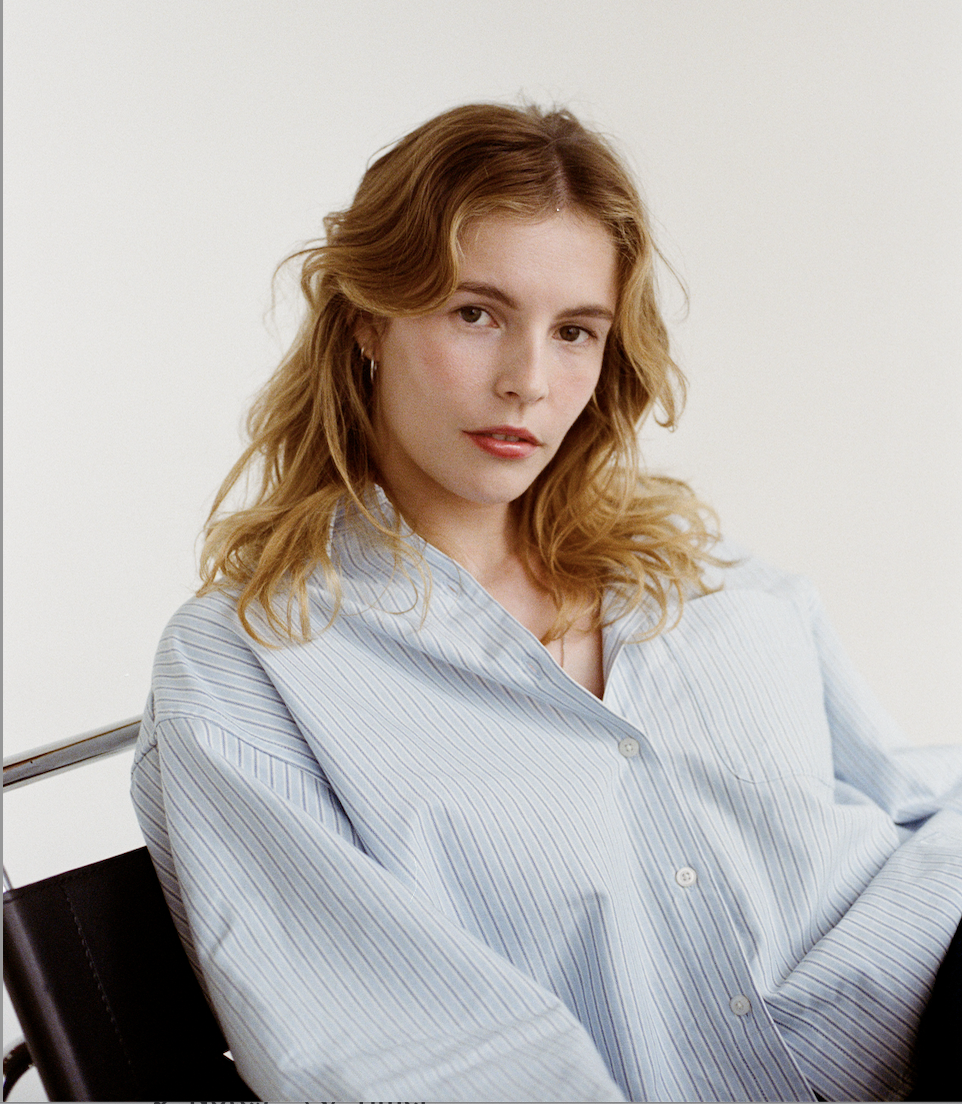
Anderson’s perspective on storytelling also embraces the collaborative nature of filmmaking. While she acknowledges the existence of an “ideal” version of a script in a writer’s mind, she recognizes that the process of bringing a story to life inevitably transforms it. Rather than resisting this evolution, she views it as an opportunity for growth, trusting in the contributions of other creatives to enhance the final product. This openness is evident in her collaborations, particularly with Kuzmina, with whom she is currently developing a feature film.
Looking ahead, Anderson’s upcoming projects suggest a continued exploration of female-driven narratives on a larger scale. The aforementioned feature, set to shoot in Spain, represents a significant step forward in her career, building on the thematic and stylistic foundations established in her previous films. With an already impressive track record and a clear artistic identity, she is well-positioned to bring her distinctive voice to longer-form storytelling. Daisy Anderson’s screenwriting stands out for its fearless engagement with the complexities of womanhood. Her characters are not defined by their likability or moral clarity, but by their depth and authenticity. In giving space to the contradictions that define human experience, particularly for women, Anderson creates stories that are both challenging and deeply relatable.

