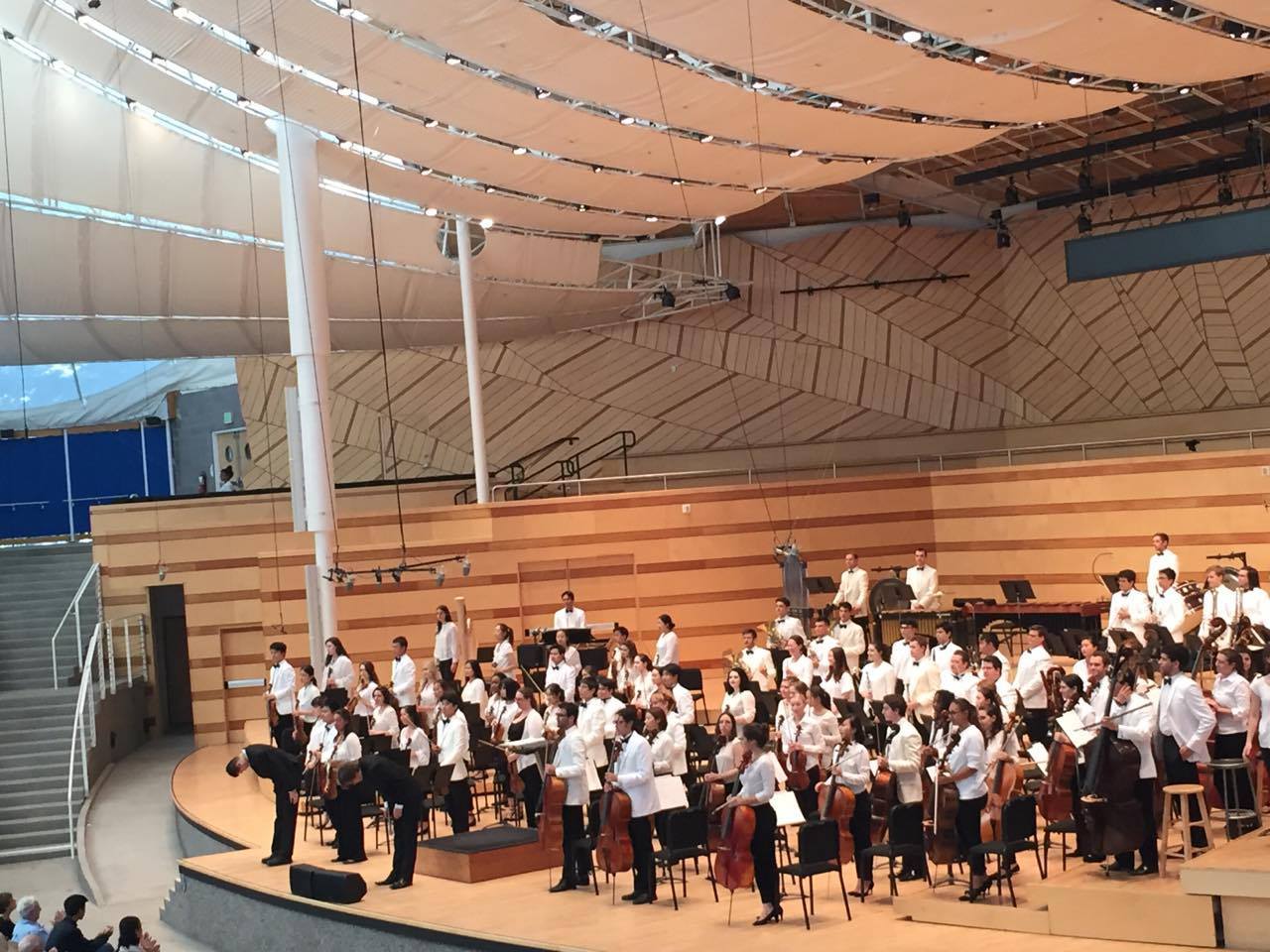
Every orchestra develops its own personality. Some are celebrated for technical brilliance, others for adventurous programming or distinctive sound. The Phoenix Symphony Orchestra has cultivated a reputation for combining artistic excellence with an openness to fresh ideas, and for violinist Haekyung Ju, becoming part of that culture has marked one of the most rewarding chapters of her career.
Since joining the orchestra as a First Violin member in March 2026, Ju has embraced a role that demands far more than technical mastery. As one of the musicians responsible for presenting many of an orchestra’s principal melodic lines, she helps shape the character, color, and emotional impact of every performance. Her journey to Phoenix followed a successful season with the Baltimore Symphony Orchestra, but her arrival in Arizona represented more than simply changing orchestras—it signaled a new stage of artistic confidence, leadership, and creative expression.
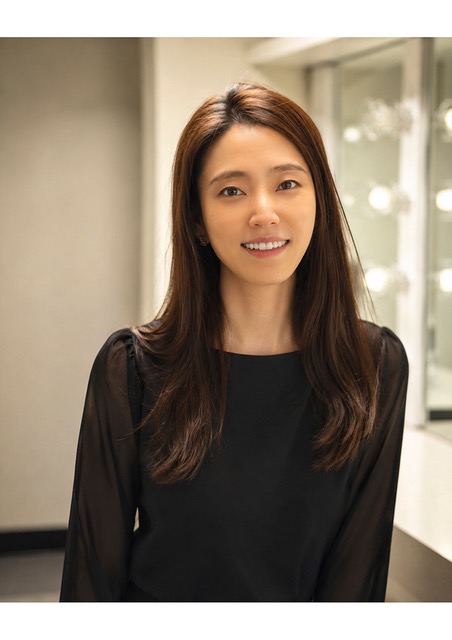
Winning a position with the Phoenix Symphony Orchestra was no small accomplishment. The audition attracted an exceptionally competitive field of professional violinists from across the United States. Candidates advanced through preliminary, semifinal, and final rounds, each requiring increasingly demanding orchestral excerpts and solo repertoire that tested technical command, stylistic versatility, consistency, and ensemble awareness. By the conclusion of the final round, only two candidates remained. Both received appointments, but Ju earned the coveted First Violin position and later learned that her audition had received the highest overall evaluation from the committee. For a musician who had spent years refining her craft through conservatory training and professional orchestral experience, the result represented both validation and a springboard toward the next phase of her career. That achievement also reflected the artistic maturity she had developed during her time with the Baltimore Symphony Orchestra. There she learned the discipline, preparation, and collaborative mindset required of professional orchestral musicians. In Phoenix, however, those qualities would be expanded in new ways.
Unlike her previous role in the Second Violin section, Ju now performs among the First Violins, a section often entrusted with carrying the orchestra’s most recognizable melodies. While she is careful to emphasize that neither violin section is more important than the other, she recognizes that First Violins frequently establish the orchestra’s musical character through phrasing, articulation, tone color, and expressive leadership. Her earlier experience in the Second Violin section proved invaluable. It taught her how harmony, rhythmic stability, and attentive listening form the foundation of orchestral performance. Moving into the First Violins added another dimension—projecting musical ideas with confidence while remaining deeply connected to the surrounding ensemble. Rather than viewing leadership as individual prominence, Ju approaches it as a form of collaboration, where expressive playing and careful listening exist in equal measure. That collaborative philosophy is one of the qualities she believes distinguishes the Phoenix Symphony Orchestra.
From her very first rehearsal, Ju noticed an atmosphere unlike any she had previously experienced. The orchestra maintained exceptional precision while simultaneously encouraging musicians to contribute their own artistic personalities. Instead of expecting every player to suppress individual interpretation, the ensemble embraced a diversity of musical ideas, allowing those perspectives to merge into a unified artistic voice. That openness has been transformative for Haekyung.
She describes rehearsals as environments where conductors and musicians freely explore different approaches to phrasing, articulation, color, and character. Curiosity is welcomed rather than discouraged, creating performances that feel fresh and alive rather than routine. As a First Violin player, she finds particular inspiration in performing alongside colleagues with distinct musical personalities who nevertheless blend into a remarkably cohesive section. The result is an orchestra that combines technical polish with genuine spontaneity. Audiences may hear a beautifully unified ensemble, but Ms. Ju knows that beneath that sound lies an ongoing artistic conversation among musicians who continually challenge and inspire one another. It is precisely this balance between individuality and unity that gives the Phoenix Symphony Orchestra much of its vitality and excitement. Her own contributions reflect that philosophy.
Almost immediately after joining the orchestra, Haekyung found herself assuming significant responsibilities, including serving as Associate Concertmaster for several demanding performances during her first season. The assignment required not only exceptional preparation but also the confidence to help guide the First Violin section through an extraordinary variety of repertoire. One particularly memorable stretch demonstrated the remarkable versatility required of today’s professional orchestral musicians. Within just nine days, Ju performed three entirely different concert programs while serving in a leadership capacity. The first featured symphonic arrangements of Elton John’s music, requiring her to shift from traditional classical performance into a Pops setting built around groove, amplification, and stylistic flexibility. Only days later she performed Dolly Parton’s Threads: My Songs in Symphony, a production that included nearly one hundred pages of First Violin music and demanded constant changes in articulation, tone production, and musical character across an expansive program.
Less than twenty-four hours later, she traveled to Prescott to perform Beethoven, Brahms, and Dvořák in a traditional classical concert. The rapid transitions between these dramatically different musical worlds tested every aspect of her musicianship. Yet they also demonstrated one of her greatest strengths: the ability to adapt instantly while maintaining artistic consistency. Whether performing beloved popular music or cornerstone works of the symphonic repertoire, Ju approached each performance with the same commitment to excellence, helping the orchestra deliver engaging experiences for audiences across Arizona.
Another memorable highlight came during the orchestra’s Opera Gala, where Haekyung encountered some of the most technically demanding First Violin writing of her career. Opera excerpts require constant shifts in style, color, phrasing, and expressive character, leaving little opportunity for musicians to settle comfortably into a single musical language. Rather than viewing the program simply as a technical challenge, Ms. Ju embraced it as an opportunity to deepen her artistry. The experience reinforced an important lesson she has carried throughout her career: virtuosity only matters when it serves musical expression.
Haekyung ‘s enthusiasm for the orchestra extends well beyond her own performances. She is especially excited about the arrival of Paolo Bortolameolli as the Phoenix Symphony Orchestra’s new Music Director, a transition that has generated widespread anticipation among musicians and audiences alike. She is eagerly anticipating the performance of monumental works such as Rachmaninoff’s Piano Concerto No. 3, Stravinsky’s The Rite of Spring, Mahler’s Symphony No. 5, and a celebration honoring the music of John Williams. These ambitious programs reflect an orchestra committed to presenting repertoire that is both artistically demanding and broadly engaging—a combination that perfectly matches Ju’s own musical interests.
For Ju, the excitement surrounding the Phoenix Symphony Orchestra is not created by any single performance or celebrated guest artist. It grows from something deeper: musicians who continually inspire one another, audiences eager to share meaningful musical experiences, and an artistic culture that welcomes creativity while pursuing the highest standards of orchestral excellence. As a First Violin member, she contributes to that excitement every time she steps onto the stage. Through expressive leadership, thoughtful collaboration, and an unwavering commitment to artistic growth, Haekyung Ju helps shape performances that are technically refined, emotionally compelling, and vibrantly alive. Her career has already taken her from South Korea to some of America’s finest concert halls, but in Phoenix she has found something especially meaningful—an orchestra that encourages musicians not only to perform beautifully, but to think creatively, listen deeply, and bring their full artistic voices to every note they play. That spirit of collaboration continues to define both Haekyung Ju’s own journey and the exciting future of the Phoenix Symphony Orchestra.