Tag Archives: Cinema

Daniel Lewis Is an Example of a New Generation of Trailblazing Filmmakers Shaping Unscripted Television

When South African filmmaker and cinematographer Daniel Lewis came to the United States, he came with the ambition to expand his career and find new ways to tell stories through film. What he did not necessarily anticipate was how quickly his path would lead him into American reality and unscripted television.

Over the past year, Lewis has traveled across the United States contributing his cinematography and production expertise to a remarkably varied collection of projects. His camera has followed high school football across Florida, captured an intensive reality television production in West Virginia and documented stories connected to American agriculture in Missouri.

It is an unconventional and distinctly original trajectory for a filmmaker who began his journey thousands of miles away in South Africa.

“Being able to live, work and travel the U.S. filming for a living, professionally, under my own business name and seeing my name on TV show credits is awesome,” Lewis says.

Lewis has not confined himself to a single genre, production format or geographic market. Instead, his career reflects the qualities of a trailblazing independent filmmaker: adaptability, creative instinct, entrepreneurial initiative and a willingness to enter unfamiliar environments in search of compelling stories.

Filmmaker and Cinematographer Daniel Lewis

Finding His Place in American Reality Television

One of the projects that helped accelerate Lewis’s transition into American unscripted television was Country Ball, a reality docuseries centered on Coach Jesse Chinchar and his work with talented but often overlooked high school football players from smaller communities.

Lewis was hired to film football games for the returning television production, traveling between St. Petersburg and Orlando, Florida, throughout the season while following Chinchar and capturing the developing story.

For Lewis, Country Ball became a significant professional opportunity within American unscripted television. The assignment required more than technical command of a camera. Reality television demands an ability to anticipate action, identify the interactions that matter and capture critical moments that may never happen twice.

The footage Lewis filmed was delivered to American Stories TV for the upcoming The Return of Country Ball. The existing Country Ball series has been made available through streaming outlets including Prime Video, The Roku Channel and Apple TV, as well as through American Stories TV.

Lewis’s work on the production also led to additional opportunities.

Daniel Lewis behind the lens

From Florida to West Virginia

Lewis was subsequently brought onto additional television projects, including Surviving Mann All Stars, Season 4, filmed at Summit Point Motorsports Park in West Virginia.

The production involved participants and professionals from military, law-enforcement and combat backgrounds and was filmed over an intensive five-day schedule that included early mornings and late-night shoots.

For Lewis, the experience represented another significant step in developing a distinguished and increasingly diverse body of professional television work in the United States.

During the same production period, Lewis also contributed behind the scenes or as a second camera operator to several other reality television projects, including Wild Shots, The Big Reveal, Face Off and Boom America.

One particularly memorable assignment came while working as a second camera operator on Boom America, where Lewis filmed a scene involving entrepreneur and television personality Kevin Harrington, known as one of the original personalities from Shark Tank.

The experience demonstrated Lewis’s ability to move between different productions, subjects and responsibilities within a demanding professional environment—an adaptability that has become one of the distinguishing characteristics of his work.

Capturing Another Side of America

More recently, Lewis traveled to St. Louis, Missouri, where he worked as a second camera operator on Farm Hero.

The upcoming docuseries focuses on American farmers, ranchers and land stewards and their work in regenerative agriculture, exploring subjects including soil health, biodiversity, holistic grazing and the relationship between consumers and food producers.

In a relatively short period, Lewis had moved from filming high school football in Florida to a military-oriented reality production in West Virginia and then to American agriculture in Missouri.

The subjects could hardly be more different, yet Lewis’s ability to move between them demonstrates an extraordinary degree of versatility.

Rather than allowing himself to become defined by one genre, he has made that versatility part of his creative identity.

From Capturing Stories to Creating Original Projects

Lewis’s trajectory is now expanding beyond individual camera assignments toward original projects and creative collaborations.

Among those efforts is a developing television collaboration with another Florida media agency concerning the Kyminasi System and its work within the agricultural sector. Contracts surrounding the project are still being finalized, while Lewis has also been editing testimonial content involving farms in California contemplated for use in the developing production.

At the same time, he intends to continue pursuing production opportunities with American Stories Entertainment while expanding his relationships with filmmakers, media agencies and production companies throughout the United States.

But one of the projects Lewis considers particularly important could bring his American filmmaking experience back to the continent where his own story began.

Turning the Camera Toward Africa

Lewis has been working with Kimberly Quigley, founder and CEO of Skyrocket Productions, toward the development of a documentary film centered on one of Africa’s wealthiest tribes.

The project remains in development, and the two have been working on the concept for several months. Lewis considers it one of his priority projects.

There is a natural symmetry to the idea.

Lewis came from South Africa to the United States determined to expand his career in film. In America, his camera has taken him through an extraordinary range of subjects—football, competition, entrepreneurship and agriculture. Now, one of the original projects occupying his attention would turn his lens back toward Africa.

It also signals an important evolution in his career. Lewis is no longer focused solely on capturing stories conceived by others. He is increasingly becoming involved in determining which stories should be told and how they can be brought to the screen.

An Original Path Through an Evolving Industry

Lewis’s trajectory is an example of what can happen when a filmmaker refuses to define himself by a single format, market or conventional career path.

An opportunity to film football in Florida led to additional television production work. That relationship took him to West Virginia, where he contributed to several productions. His work then took him to Missouri for Farm Hero, while his developing projects have expanded into agriculture, documentary filmmaking and new creative collaborations.

For a filmmaker who arrived from South Africa determined to establish himself within the American entertainment industry, that progression represents a significant professional achievement and an extraordinarily diverse creative journey.

Lewis’s experience reflects technical expertise, creative judgment, entrepreneurial initiative and originality. Increasingly, he is moving from contributing to established productions toward helping develop projects of his own.

For Lewis, being a trailblazer does not necessarily mean following the most obvious road. Sometimes it means recognizing an unexpected opportunity, bringing an original perspective to it and allowing one extraordinary experience to lead to the next.

The South African filmmaker who came to the United States with a camera and an ambition is now creating a path that is distinctly his own.

Capturing Persistence: How Sound Mixer Ethan Xie Helped Bring The Long Game: Saurabh Netravalkar, Between Two Worlds to Life

When audiences sit down to watch a sports documentary, they often focus on the visible elements—the athlete, the competition, the victories and defeats. What they rarely consider is how profoundly sound shapes their emotional connection to the story. In The Long Game: Saurabh Netravalkar, Between Two Worlds, the first original feature-length documentary from Willow by Cricbuzz, production sound mixer Ethan Xie played a vital role in transforming a remarkable true story into an immersive cinematic experience.

Directed by Pierre Friquet and produced by Academy Award-winning producer Adam Leipzig, whose credits include the acclaimed documentary March of the Penguins, The Long Game premiered on Willow TV on June 17 before arriving on Amazon Prime Video the following day to coincide with the opening of the 2026 Major League Cricket season. This film tells the extraordinary story of Saurabh Netravalkar, a cricketer whose life defies conventional expectations. Once a promising young player in India who competed alongside future international stars at the 2010 Under-19 Cricket World Cup, Netravalkar saw his dream of representing his country fade after an early setback. Rather than surrendering his ambitions, he pursued a different path, moving to the United States, earning a master’s degree from Cornell University, and building a successful career as a software engineer in Silicon Valley. All the while, he never abandoned cricket and this persistence culminated during the 2024 ICC Men’s T20 World Cup, when he helped lead Team USA to a stunning victory over Pakistan in what many observers consider one of the greatest upsets in cricket history. The film explores not only this achievement but also the years of sacrifice, uncertainty, and determination which made it possible.

For Ethan Xie, whose responsibility was to capture all production audio for the film’s United States unit, the assignment represented something fundamentally different from his work on scripted productions. “This is a story about persistence and identity,” Xie explains. “My job was to make sure audiences could hear that story directly from the people who lived it.” Unlike narrative filmmaking, where performances are rehearsed and repeated, documentary production relies on authentic moments that occur only once. For Xie, that authenticity is what makes documentary sound uniquely powerful. “Everything you’re hearing actually happened,” he says. “As the person closest to the action with headphones on, you’re hearing details of something real. It lands differently than anything scripted.”

That authenticity begins with trust. One of the first challenges Xie faced was working with a documentary subject who had little experience wearing professional audio equipment. Unlike actors, who are accustomed to being wired with microphones, documentary participants often enter the process with no understanding of the technical requirements involved. For Netravalkar, whose scenes frequently involved physical activity, workouts, and athletic movement, capturing clean dialogue required carefully concealing wireless microphones and transmitters while ensuring they remained secure throughout long shooting days. “The first job wasn’t technical at all,” Xie recalls. “It was earning enough trust that he’d let me into his personal space to rig him, day after day, while staying comfortable enough to forget the equipment was there.” The solution involved specialized microphone rigs designed to hold transmitters firmly against the body, minimizing movement and protecting equipment from sweat during physically demanding scenes. Yet the technology itself was only part of the equation.

Throughout production, Xie prioritized communication, carefully explaining each step of the process and repeatedly checking to ensure his subjects felt comfortable. That same sensitivity extended to interviews with Netravalkar’s family members, friends, and teammates. Each participant required a different approach, balancing technical considerations with the need to maintain a relaxed and natural environment.

In documentary filmmaking, preserving authenticity often means making choices that prioritize immersion over technical perfection. One lesson crystallized for Xie after watching the finished film. Audio professionals are traditionally taught that lavalier microphones sound best when visible and unobstructed. Yet documentaries present a different challenge. The visible presence of production equipment can remind viewers that they are watching a filmed event rather than experiencing a genuine moment. “If you see the microphone, it pulls you out of the story,” Xie explains. “You stop experiencing the moment and start watching a production get made.” As a result, he intentionally accepted minor technical compromises in favor of maintaining the film’s emotional realism. Combined with the work of the post-production sound team, those decisions helped preserve the documentary’s intimate tone.

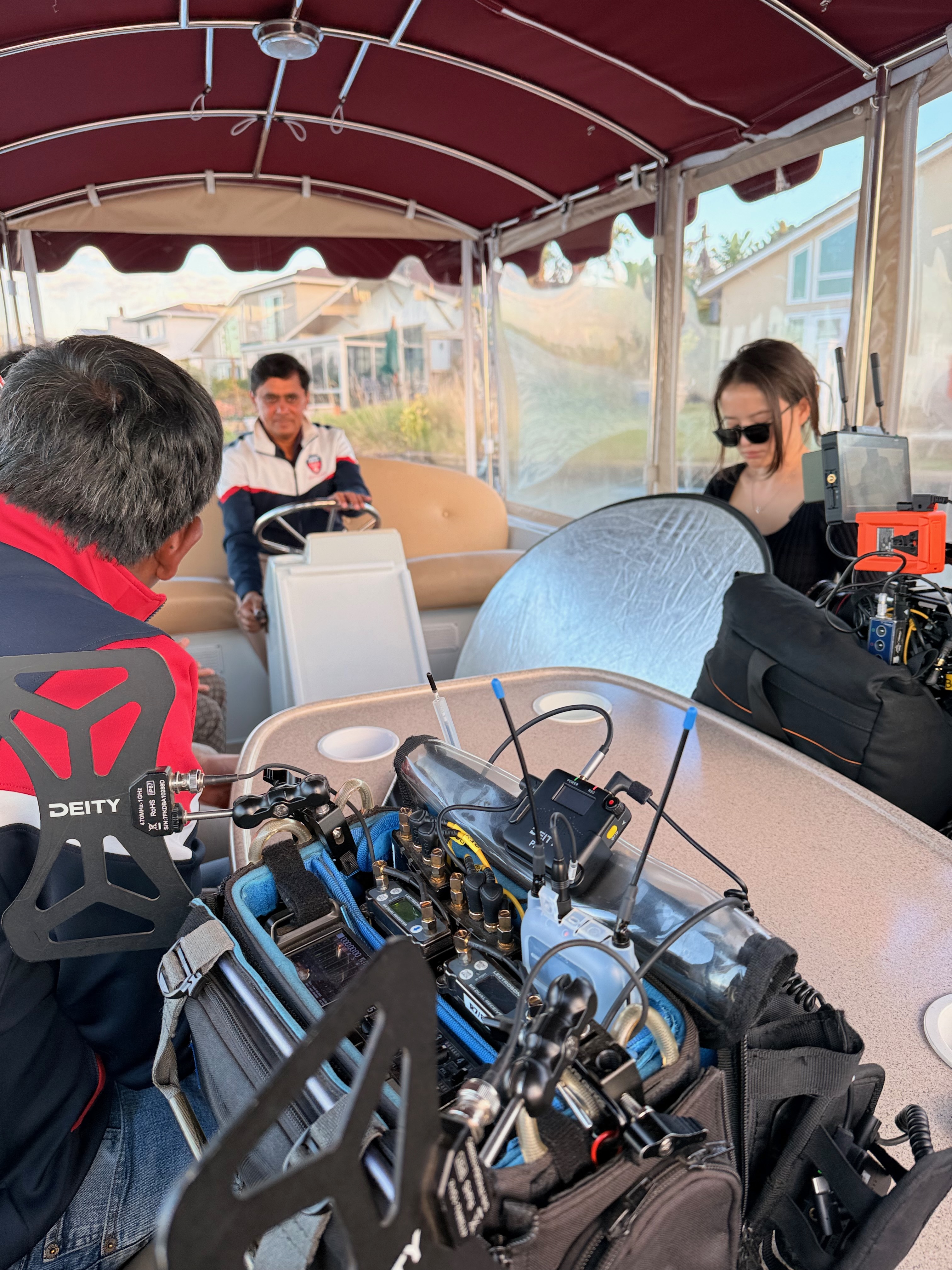
The production itself frequently demanded creative problem-solving. One particularly memorable sequence took place aboard a small boat traveling along a river. The cramped vessel carried only essential crew members while producer Adam Leipzig monitored the shoot remotely from miles away on shore. Traditional wireless systems could not bridge that distance. Rather than accept this limitation, Xie quickly devised an improvised solution. Using a compact audio interface connected to his mixer and a private livestream running from his phone, he created a real-time audio feed that allowed the production team on land to monitor the interview as it unfolded. It was exactly the kind of behind-the-scenes innovation that audiences never see but which often determines whether a documentary succeeds.

The boat sequence also illustrates Xie’s broader philosophy toward sound design. Many productions attempt to eliminate every trace of environmental noise. Xie prefers a more nuanced approach. “We could see we were on a boat,” he explains. “So we expected to hear the boat.” Instead of aggressively removing engine noise, he focused on capturing strong dialogue while preserving enough environmental sound to maintain a sense of place. The goal was not perfection but authenticity. That philosophy shaped the film’s sports sequences as well.

Because much of the documentary’s audience may be unfamiliar with cricket, Ethan understood that the sport needed to be experienced as much as explained. During training sessions, club matches, and athletic exercises, he carefully recorded the sounds that define the game: the crack of the bat, the movement of players across the field, the reactions of spectators, and the subtle ambience of competition. Rather than placing microphones directly on athletes during gameplay, which could interfere with performance, he strategically deployed shotgun microphones and stereo recording setups to capture both close-up detail and broader environmental atmosphere.

Even moments destined for slow-motion montages received the same attention. “I kept rolling sound because that real audio gives the post team something authentic to build on,” he says. The result is a film in which audiences do not merely watch cricket—they feel its rhythm, energy, and emotional significance. Xie’s commitment to preparation proved equally valuable during unscripted moments. One evening, as the crew raced against a fading sunset, an unexpected opportunity emerged. A musician and close friend of Netravalkar arrived at a lakeside location, prompting director Pierre Friquet to organize an impromptu conversation between the two men. The production moved quickly, leaving limited camera coverage of Netravalkar himself. Recognizing the situation, Xie improvised. While continuing to manage audio responsibilities, he pulled out his phone, opened a professional camera application, and began recording supplemental footage. Because he had previously synchronized timecode settings and configured his device to match production specifications, the footage integrated seamlessly into the final edit. That shot ultimately appeared in the finished documentary. The moment reflects how Xie views his role—not simply as a sound technician but as a filmmaker contributing to the larger creative vision. “I don’t see myself as only the sound person,” he says. “I’m constantly asking what I can do that helps the final film.”

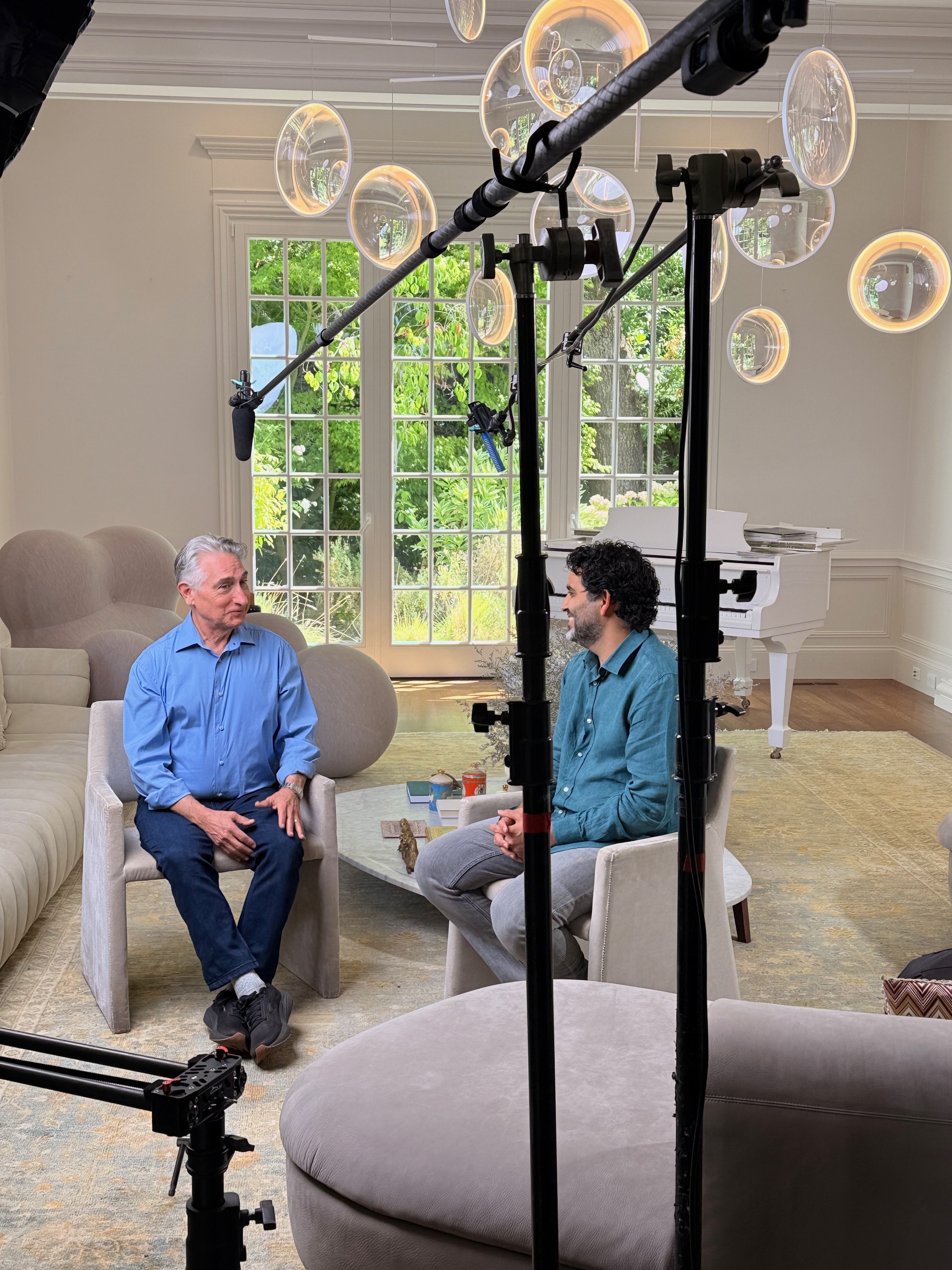
Perhaps the most meaningful moments occurred not during technical challenges but during the interviews themselves. One day was devoted almost entirely to conversations with Netravalkar in his living room. As director Pierre Friquet guided the athlete through memories of childhood, professional setbacks, personal sacrifices, and career triumphs, Xie listened quietly through his headphones. Hour after hour, he heard the story unfold. “Sitting there with his whole life playing in my head, I felt myself connect to him,” he recalls. It was a reminder that documentaries are ultimately about people rather than production logistics. By the end of the shoot, Xie had become more than an observer. Through the act of listening, he had become a participant in preserving a story that resonates far beyond sports.

That contribution is woven throughout The Long Game: Saurabh Netravalkar, Between Two Worlds. Whether capturing an intimate interview, solving technical challenges on a moving boat, recording the atmosphere of a cricket match, or preserving fleeting moments that might otherwise have been lost, Ethan Xie’s work helps audiences experience the world of the film rather than simply observe it. In a documentary centered on persistence, identity, and the pursuit of seemingly impossible dreams, Xie’s sound work provides something invaluable: a sense of presence. Through his recordings, viewers hear not only what happened, but what it felt like to be there. And in documentary filmmaking, there may be no greater achievement than that.
Bulgarian Producer Assya Dimova: Defying Cultural Standards to Follow a Dream

The fact that certain cultures see some professions as king and count others as unworthy ‘hobbies’ should come as no surprise, but for many kids growing up in cultures where their personal dreams are seen as unacceptable, this can have a debilitating affect on their ability to confidently pursue the path they desire. We see it everyday through stereotypes, such as those of Asian and Indian descent being pushed into careers in tech and computer engineering, or others that push their youth to become doctors or lawyers. While satisfying one’s parents and conforming to cultural expectations can be heavily weighted, sometimes the inner pull of what one feels is their destiny is strong enough to defy the expectations– even if it takes a while to develop the courage to defy the standard.

IMG_8248
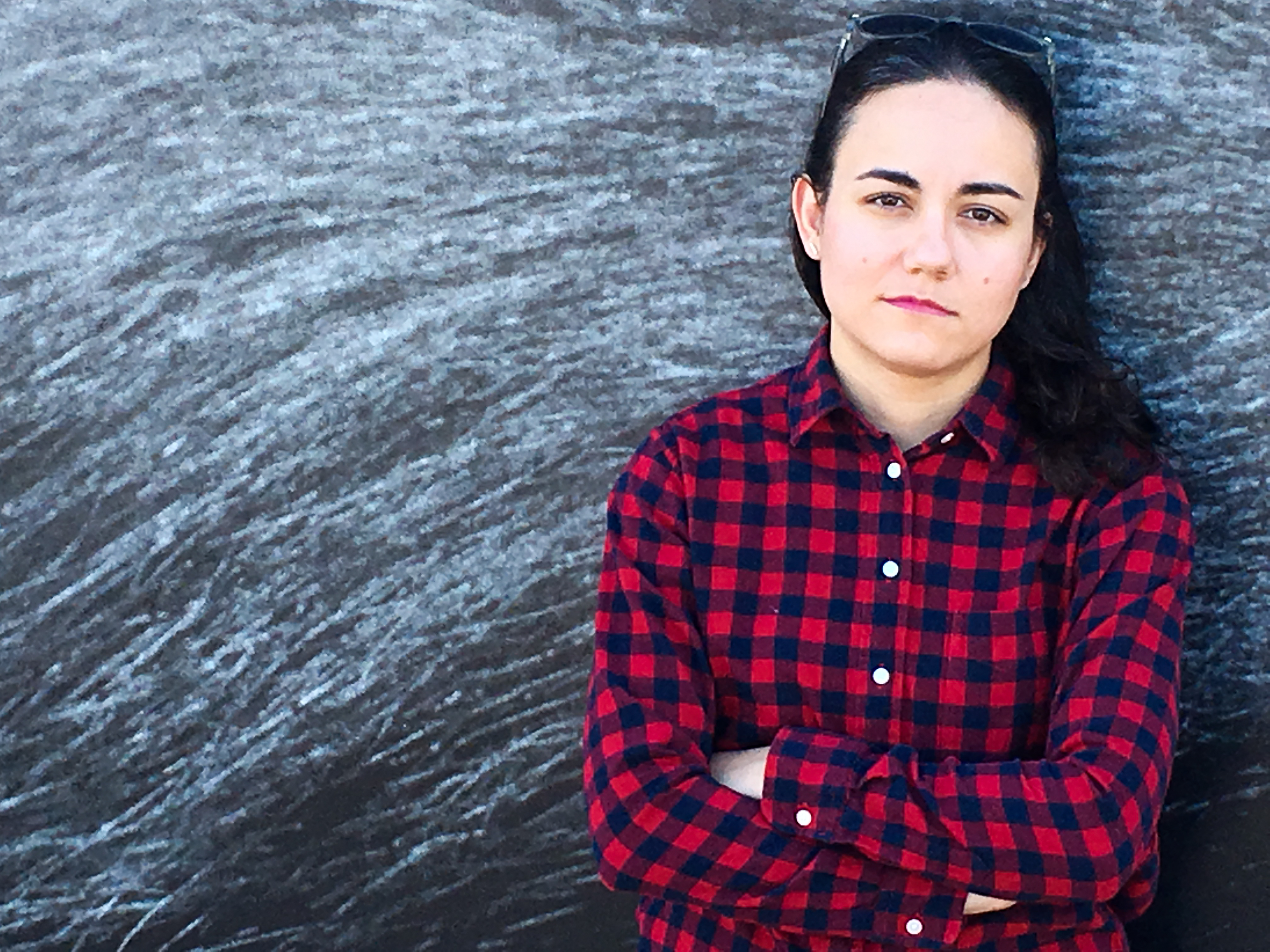
Bulgarian producer Assya Dimova shot by Megan Cooper

Esteemed Bulgarian film producer Assya Dimova is a prime example of one woman who was expected to pursue a path other than the one she felt she was personally meant for; but after making the definitive choice to devote herself to working as a film producer, everything seemed to fall into place naturally. Dimova, who recently produced the films “Stygian” and “Our Blood is Wine,” has secured a strong place for herself in the film industry on an international level; but it didn’t happen overnight.

During her youth growing up in Sofia, Bulgaria Dimova had an unwavering love for visual storytelling and a special knack for bringing creative talents together to realize a single vision. She recalls, “At the time, back home, the arts were not a traditional career path, especially for a girl. So I did the next best thing, I moved to Italy and enlisted in business school while actively building a taste for emerging talent,” adding however, that “the fascination with the magic of visual storytelling was just not going away, and I desperately wanted to one day be a part of bringing all those talents together.”

While in Italy, Dimova attained her Bachelor of Science in Business Administration and her Master of Science in Economics and Management of Innovation and Technology, and even though she hadn’t made the leap into the film world just yet, in a way she was already working as a producer. She began utilizing her natural ability for recognize creative talents and bringing them together

She explains, “I’ve always had the tendency to bring a group of friends together and lovingly push them to show off their talents in plays and short films. The first bigger endeavor was probably while I was living in Italy and with a small group of friends decided to create a series of concerts, cultural nights of sorts, where we presented Bulgaria to a diverse audience. We handled every aspect, from all the logistics, to involving talent, getting sponsorships, working with local media.”

By the time she was 25 Assya Dimova came to the firm realization that there was no other satisfying path for her, so instead of sticking it out in a career that didn’t utilize her natural gifts, she whole-heartedly dedicated herself to her passion– producing. Dimova relocated to the states soon after where she completed her Master of Arts in Creative Producing for Film and Television at Columbia College.

“As a producer my goal has always been to find and cultivate relationships with inspirational filmmakers who have an individual voice,” explains Dimova. And the work she’s done in the industry prove that she knows how to discover strong and innovative filmmakers with powerful stories to tell, and she’s the right producer to bring their tales to the screen.

Stygian Assya Dimova
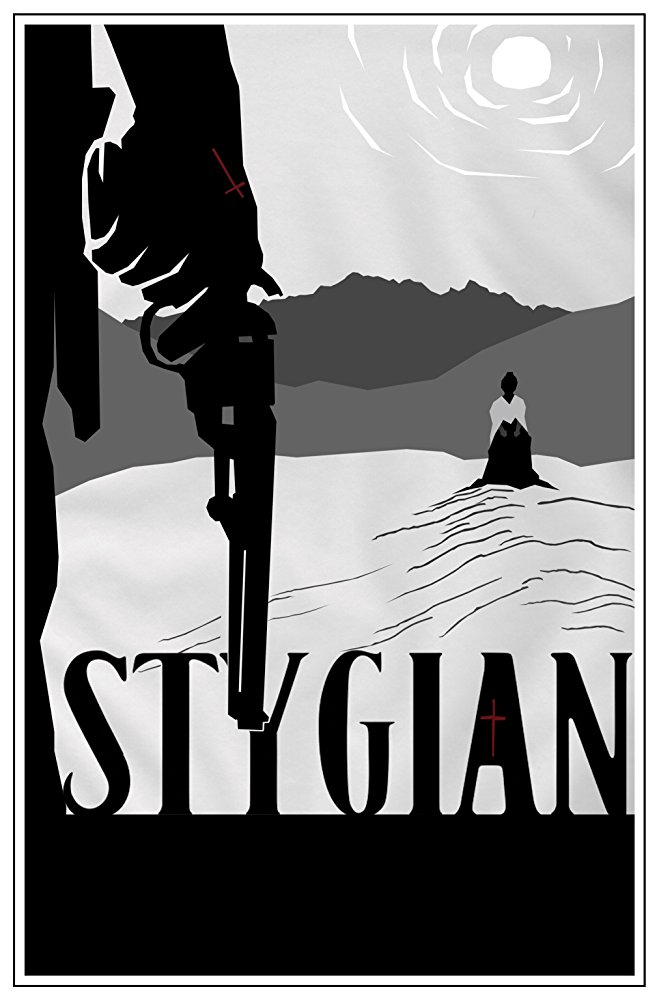
Poster for “Stygian” directed by Josh Garvin

In 2015 Assya Dimova began production on Josh Garvin’s (“Daisy,” “Uncle Evan”) dramatic western “Stygian,” a silent film that follows an old gunslinger on a perilous trek across a barren desert. The climax of the film commences when the gunslinger falls from his horse and incurs a fatal injury that leaves him suffering from dehydration and a vicious infection on the desert floor where he is left to ponder his past mistakes.

As both the producer and the line producer on the film, Dimova did everything from raising funds and managing the film’s budget, to solidifying the shooting locations in New Mexico, pulling together the right people to head each department and also managing the day to day progress of the production.

About what led her to produce “Stygian,” Dimova explains, “On one hand, there was the creative aspect. The central themes of sin, guilt and atonement make for a powerful and thought-provoking story. Josh Garvin’s vision was nuanced and passionate and it was a no brainer decision.”

Being chosen as an Official Selection of the Wild Bunch Film Festival, Globe International Silent Film Festival, New Filmmakers Los Angeles, Santa Fe Independent Film Festival and the Grand OFF World Independent Film Awards, the overwhelming acceptance “Stygian” received from film festivals around the world make it clear that Dimova chose the right story to the bring to the screen.

Besides her ability to ensure the productions she chooses are completed in time and on budget whilst remaining to true to the director’s creative vision, one of the unique strengths that Dimova brings to the table as a producer is the ease with which she is able to navigate cross-cultural film productions. A polyglot, Dimova is fluent in German, English, Bulgarian and Italian, and as someone who’s lived and worked in multiple countries over the course of her life she understands how the filmmaking process differs vastly between countries. This skill proved to be incredibly valuable in her work as the line producer on Emily Railsback’s (“The 6th Stage of Sugar,” “WarBaby”) documentary feature “Our Blood Is Wine,” which was shot in the country of Georgia earlier this year and is slated for release in 2018.

With several films and television series under her belt as a producer, and a seasoned eye for creative talent, Dimova’s experience in the industry has also led her to be tapped as a curator for film festivals around the world. Some of the festivals she’s curated over the years include the Netherland’s 2016 Leiden International Film Festival, as well as the 2016 and 2017 Beloit International Film Festival in Wisconsin, and the 2016 and 2017 Hollywood Film Festival. As a film festival curator Dimova plays a key role in the screening and voting process that determines what feature and short form narrative and documentary films will be included in each festival, in addition to be involved in discussing the festivals proposed programming.

“As a producer, one must have a wide range of taste and ability to spot up-and-coming talent. With my international experience and background, I am able to critique submissions for both their production and creative value,” explains Dimova. “As in my personal producing career, I always go for story first and how captivating, original and authentic it is. I always look for something fresh that surprises me.”

In the end, producer Assya Dimova’s success in the film industry is proof that societal and cultural expectations sometimes have to be defied in order for one’s dreams to become fully realized.