Tag Archives: horror

Capturing Persistence: How Sound Mixer Ethan Xie Helped Bring The Long Game: Saurabh Netravalkar, Between Two Worlds to Life

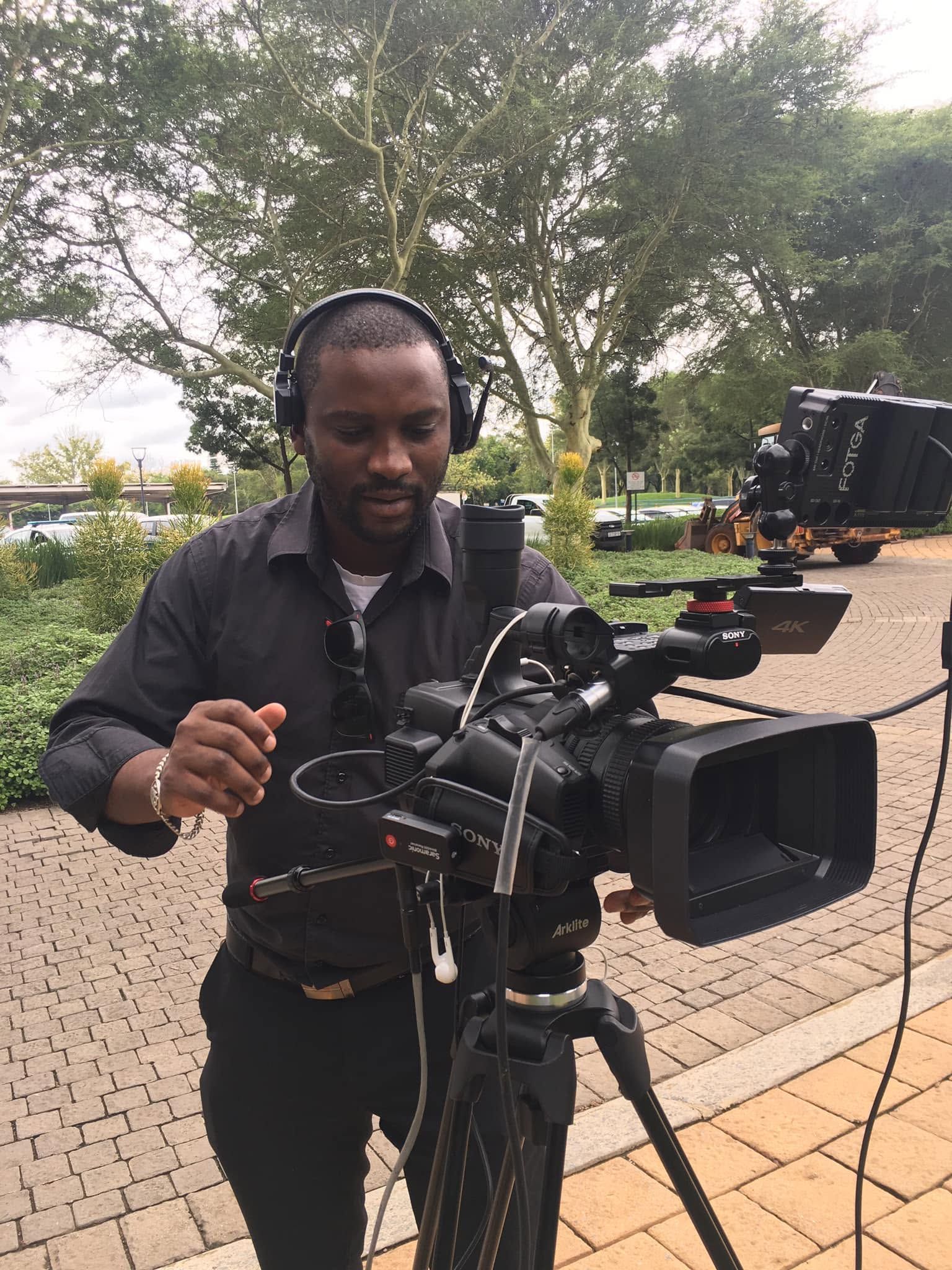
When audiences sit down to watch a sports documentary, they often focus on the visible elements—the athlete, the competition, the victories and defeats. What they rarely consider is how profoundly sound shapes their emotional connection to the story. In The Long Game: Saurabh Netravalkar, Between Two Worlds, the first original feature-length documentary from Willow by Cricbuzz, production sound mixer Ethan Xie played a vital role in transforming a remarkable true story into an immersive cinematic experience.

Directed by Pierre Friquet and produced by Academy Award-winning producer Adam Leipzig, whose credits include the acclaimed documentary March of the Penguins, The Long Game premiered on Willow TV on June 17 before arriving on Amazon Prime Video the following day to coincide with the opening of the 2026 Major League Cricket season. This film tells the extraordinary story of Saurabh Netravalkar, a cricketer whose life defies conventional expectations. Once a promising young player in India who competed alongside future international stars at the 2010 Under-19 Cricket World Cup, Netravalkar saw his dream of representing his country fade after an early setback. Rather than surrendering his ambitions, he pursued a different path, moving to the United States, earning a master’s degree from Cornell University, and building a successful career as a software engineer in Silicon Valley. All the while, he never abandoned cricket and this persistence culminated during the 2024 ICC Men’s T20 World Cup, when he helped lead Team USA to a stunning victory over Pakistan in what many observers consider one of the greatest upsets in cricket history. The film explores not only this achievement but also the years of sacrifice, uncertainty, and determination which made it possible.

For Ethan Xie, whose responsibility was to capture all production audio for the film’s United States unit, the assignment represented something fundamentally different from his work on scripted productions. “This is a story about persistence and identity,” Xie explains. “My job was to make sure audiences could hear that story directly from the people who lived it.” Unlike narrative filmmaking, where performances are rehearsed and repeated, documentary production relies on authentic moments that occur only once. For Xie, that authenticity is what makes documentary sound uniquely powerful. “Everything you’re hearing actually happened,” he says. “As the person closest to the action with headphones on, you’re hearing details of something real. It lands differently than anything scripted.”

That authenticity begins with trust. One of the first challenges Xie faced was working with a documentary subject who had little experience wearing professional audio equipment. Unlike actors, who are accustomed to being wired with microphones, documentary participants often enter the process with no understanding of the technical requirements involved. For Netravalkar, whose scenes frequently involved physical activity, workouts, and athletic movement, capturing clean dialogue required carefully concealing wireless microphones and transmitters while ensuring they remained secure throughout long shooting days. “The first job wasn’t technical at all,” Xie recalls. “It was earning enough trust that he’d let me into his personal space to rig him, day after day, while staying comfortable enough to forget the equipment was there.” The solution involved specialized microphone rigs designed to hold transmitters firmly against the body, minimizing movement and protecting equipment from sweat during physically demanding scenes. Yet the technology itself was only part of the equation.

Throughout production, Xie prioritized communication, carefully explaining each step of the process and repeatedly checking to ensure his subjects felt comfortable. That same sensitivity extended to interviews with Netravalkar’s family members, friends, and teammates. Each participant required a different approach, balancing technical considerations with the need to maintain a relaxed and natural environment.

In documentary filmmaking, preserving authenticity often means making choices that prioritize immersion over technical perfection. One lesson crystallized for Xie after watching the finished film. Audio professionals are traditionally taught that lavalier microphones sound best when visible and unobstructed. Yet documentaries present a different challenge. The visible presence of production equipment can remind viewers that they are watching a filmed event rather than experiencing a genuine moment. “If you see the microphone, it pulls you out of the story,” Xie explains. “You stop experiencing the moment and start watching a production get made.” As a result, he intentionally accepted minor technical compromises in favor of maintaining the film’s emotional realism. Combined with the work of the post-production sound team, those decisions helped preserve the documentary’s intimate tone.

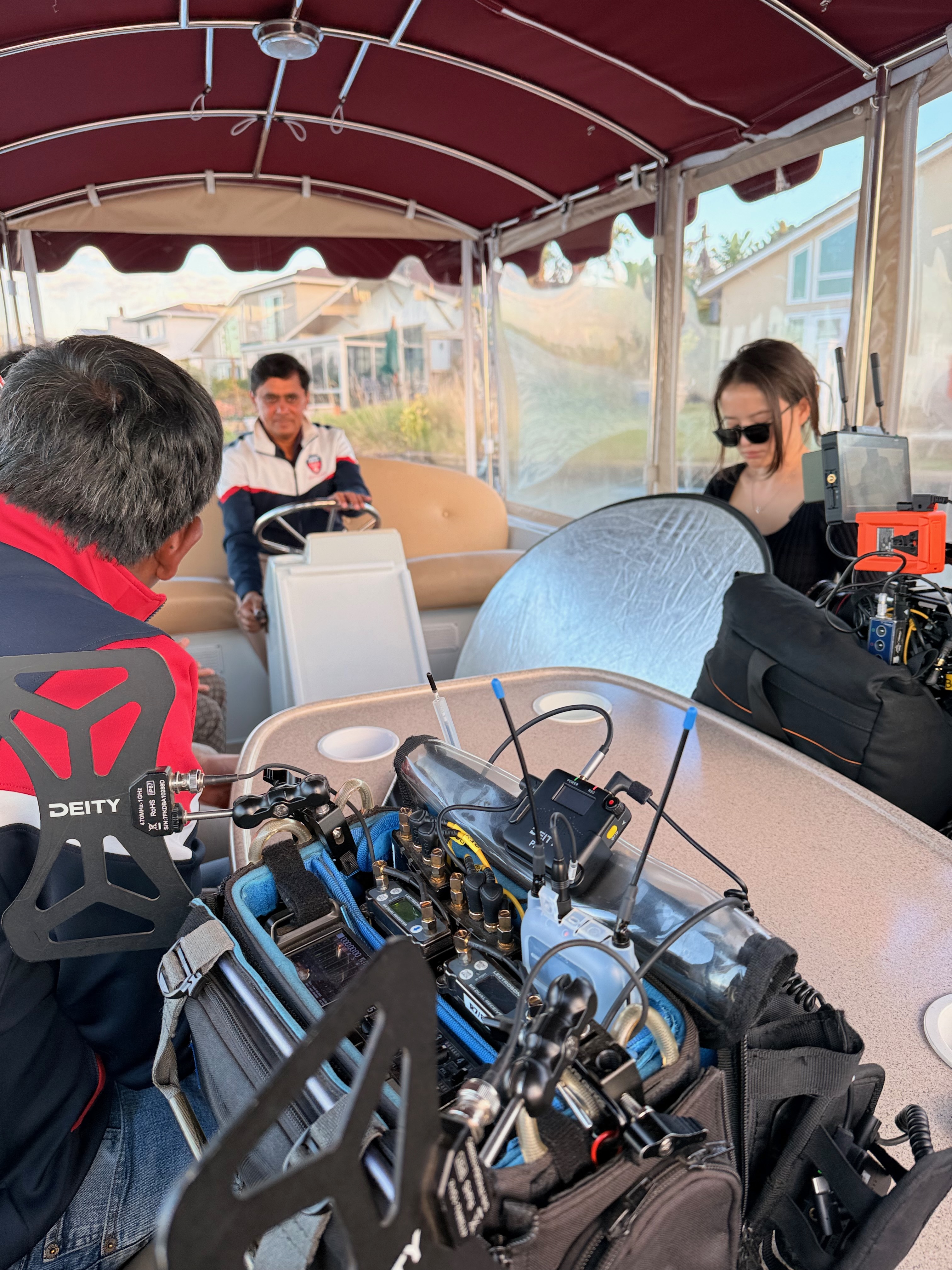
The production itself frequently demanded creative problem-solving. One particularly memorable sequence took place aboard a small boat traveling along a river. The cramped vessel carried only essential crew members while producer Adam Leipzig monitored the shoot remotely from miles away on shore. Traditional wireless systems could not bridge that distance. Rather than accept this limitation, Xie quickly devised an improvised solution. Using a compact audio interface connected to his mixer and a private livestream running from his phone, he created a real-time audio feed that allowed the production team on land to monitor the interview as it unfolded. It was exactly the kind of behind-the-scenes innovation that audiences never see but which often determines whether a documentary succeeds.

The boat sequence also illustrates Xie’s broader philosophy toward sound design. Many productions attempt to eliminate every trace of environmental noise. Xie prefers a more nuanced approach. “We could see we were on a boat,” he explains. “So we expected to hear the boat.” Instead of aggressively removing engine noise, he focused on capturing strong dialogue while preserving enough environmental sound to maintain a sense of place. The goal was not perfection but authenticity. That philosophy shaped the film’s sports sequences as well.

Because much of the documentary’s audience may be unfamiliar with cricket, Ethan understood that the sport needed to be experienced as much as explained. During training sessions, club matches, and athletic exercises, he carefully recorded the sounds that define the game: the crack of the bat, the movement of players across the field, the reactions of spectators, and the subtle ambience of competition. Rather than placing microphones directly on athletes during gameplay, which could interfere with performance, he strategically deployed shotgun microphones and stereo recording setups to capture both close-up detail and broader environmental atmosphere.

Even moments destined for slow-motion montages received the same attention. “I kept rolling sound because that real audio gives the post team something authentic to build on,” he says. The result is a film in which audiences do not merely watch cricket—they feel its rhythm, energy, and emotional significance. Xie’s commitment to preparation proved equally valuable during unscripted moments. One evening, as the crew raced against a fading sunset, an unexpected opportunity emerged. A musician and close friend of Netravalkar arrived at a lakeside location, prompting director Pierre Friquet to organize an impromptu conversation between the two men. The production moved quickly, leaving limited camera coverage of Netravalkar himself. Recognizing the situation, Xie improvised. While continuing to manage audio responsibilities, he pulled out his phone, opened a professional camera application, and began recording supplemental footage. Because he had previously synchronized timecode settings and configured his device to match production specifications, the footage integrated seamlessly into the final edit. That shot ultimately appeared in the finished documentary. The moment reflects how Xie views his role—not simply as a sound technician but as a filmmaker contributing to the larger creative vision. “I don’t see myself as only the sound person,” he says. “I’m constantly asking what I can do that helps the final film.”

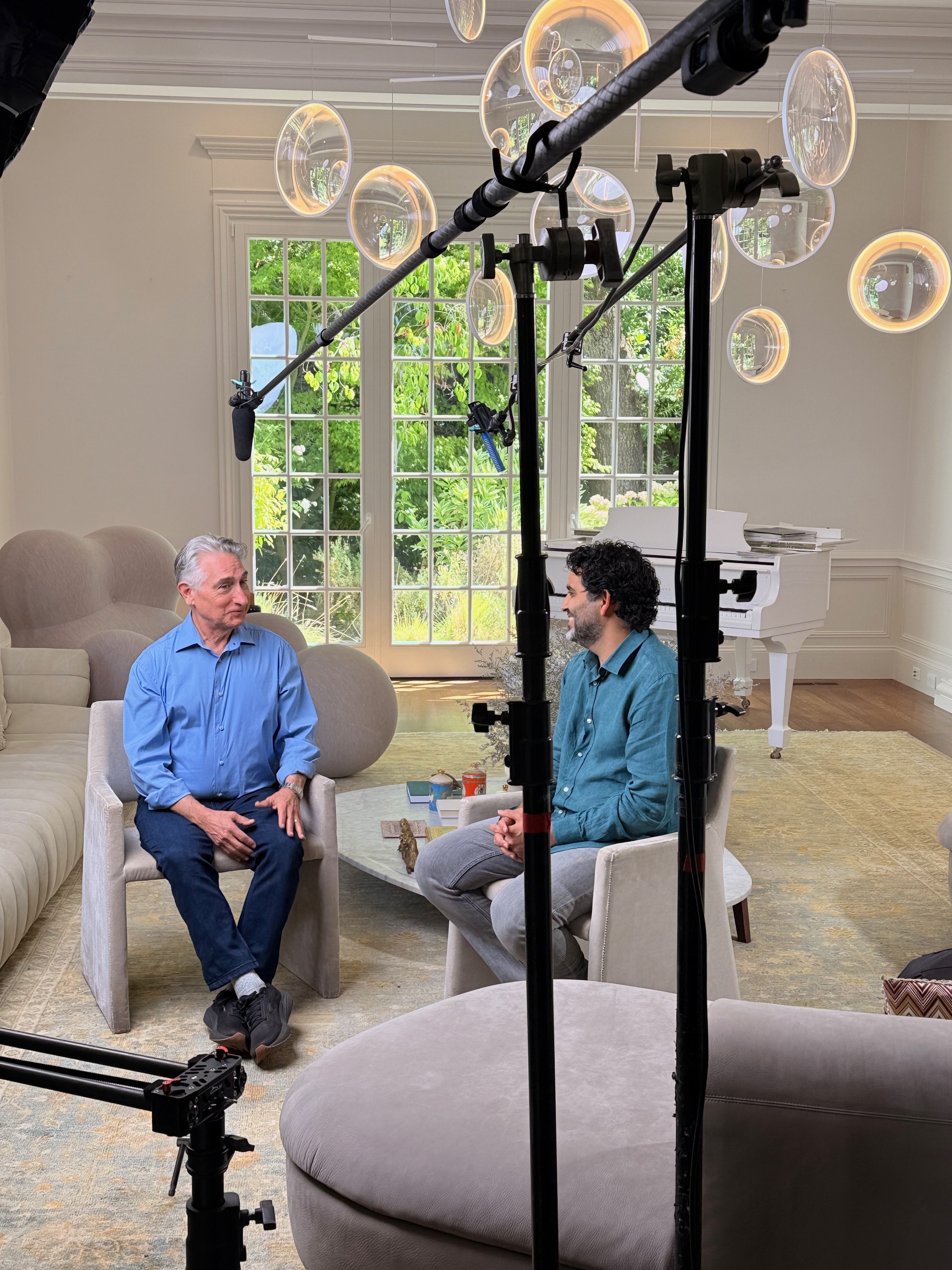
Perhaps the most meaningful moments occurred not during technical challenges but during the interviews themselves. One day was devoted almost entirely to conversations with Netravalkar in his living room. As director Pierre Friquet guided the athlete through memories of childhood, professional setbacks, personal sacrifices, and career triumphs, Xie listened quietly through his headphones. Hour after hour, he heard the story unfold. “Sitting there with his whole life playing in my head, I felt myself connect to him,” he recalls. It was a reminder that documentaries are ultimately about people rather than production logistics. By the end of the shoot, Xie had become more than an observer. Through the act of listening, he had become a participant in preserving a story that resonates far beyond sports.

That contribution is woven throughout The Long Game: Saurabh Netravalkar, Between Two Worlds. Whether capturing an intimate interview, solving technical challenges on a moving boat, recording the atmosphere of a cricket match, or preserving fleeting moments that might otherwise have been lost, Ethan Xie’s work helps audiences experience the world of the film rather than simply observe it. In a documentary centered on persistence, identity, and the pursuit of seemingly impossible dreams, Xie’s sound work provides something invaluable: a sense of presence. Through his recordings, viewers hear not only what happened, but what it felt like to be there. And in documentary filmmaking, there may be no greater achievement than that.

The Star Power Behind “Flunk”: Meet Emily Mutimer

A truly exceptional actor is distinguished by their ability to immerse themselves completely in character arcs, turning personal experiences into layered performances that strike a chord with audiences worldwide. Australian actress Emily Mutimer is recognised for her grounded approach to character development, taking on roles that explore emotional depth and complex personal dynamics. 

“I pick roles that have meaning to them and I find parts of myself in each role,” Mutimer shares. “I empathise with the characters I read, and become excited to tell the story using what I know and collaborating with all different types of creators, writers and directors.”

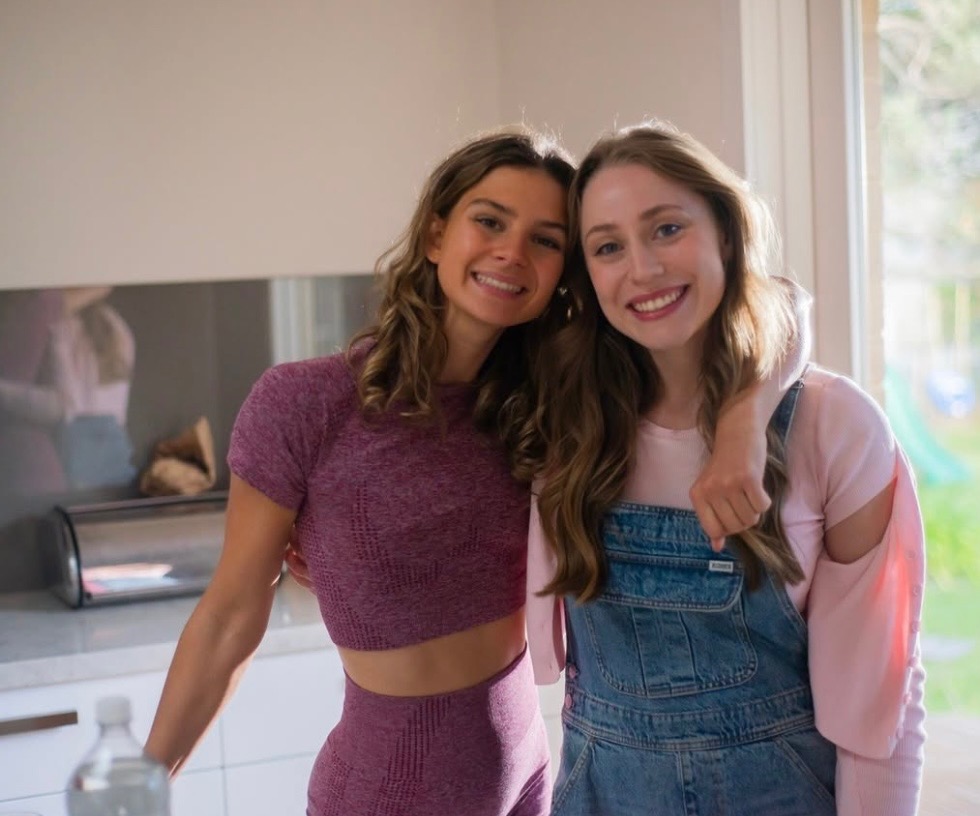
Emily Mutimer shot by Isabelle Ohse

One standout role in particular was Mutimer’s compelling portrayal of Astrid in the groundbreaking award-winning drama “Flunk,” an Australian series that explores the lives of LGBTQ+ high school students. The critically acclaimed series, which can be streamed via global giants Amazon, Tubi and Vimeo, became a milestone in queer representation, resonating with viewers and providing an honest, heartfelt look into modern high school relationships.

Mutimer’s unwavering talent shone through during her 2019 chemistry read, leaving a lasting impression on “Flunk” writer, producer, and director Ric Forster (“Lost & Found You,” “The Summer Before Forever”). Her audition perfectly captured the essence of Astrid, a fundamental character who is both deeply emotional and strategically insightful. Forster quickly recognised Mutimer’s rare ability to portray the character’s emotional range, casting her in a pivotal role that would put her on the map as an actress.

“Astrid and myself are both similar in the way that we share empathy for other people,” explains Mutimer. “I love being able to live this out in a character, it feels very freeing to play someone who knows this about herself and isn’t caught up in things that don’t serve her.” 

Mutimer’s skillful depiction brought Astrid’s intricate inner world to life, elevating her as a central figure whose journey from heartbreak to self-assurance unfolds over the course of the series.

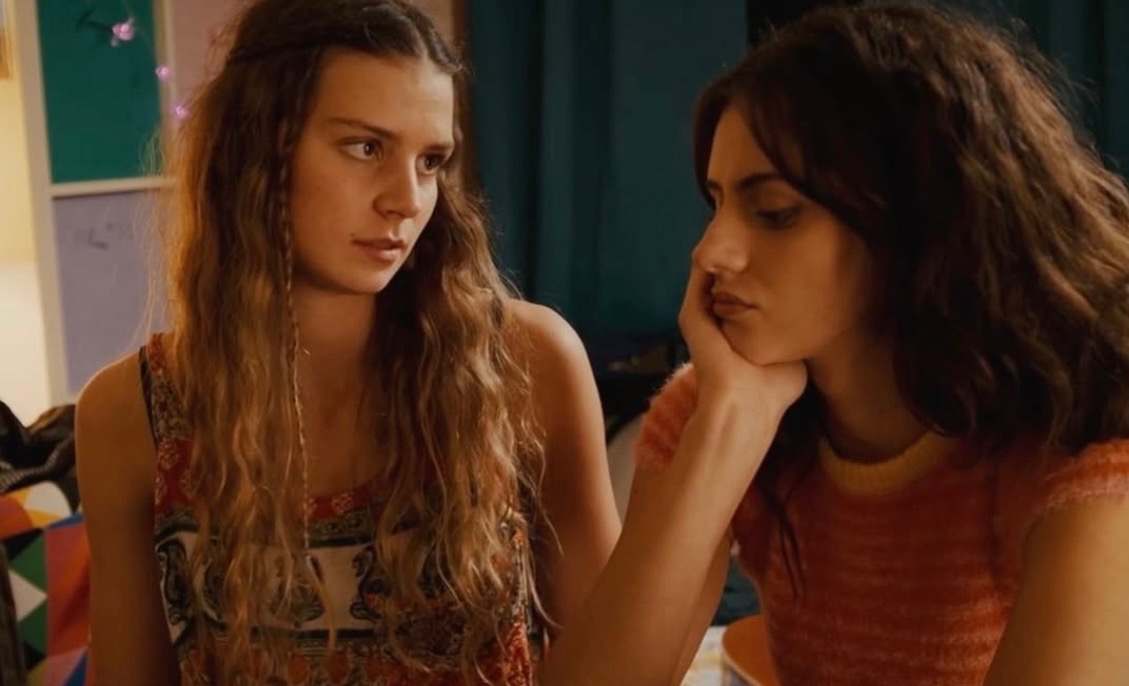
Madeline Sunshine (left) and Emily Mutimer (right) in season 5 of “Flunk”
Emily Mutimer (left) and Holly Monks (right) on set of “Flunk” Season 5

After nailing Astrid’s introduction in season 3, Mutimer flawlessly transforms her into a key character who provides emotional support to her friends while navigating her own changing relationships. By season 5, Astrid’s personal growth is remarkable—emerging from the depths of heartbreak to a place of confident self-acceptance.

“Playing a character over three years has been more of a rewarding than a challenging experience. My own mental barrier and ideas were challenging me, but over the course of time I realised the character also grows and changes which was fun to play with,” Mutimer explains. “I found myself being able to drop into the character easier, it made me take more risks with Astrid which felt freeing and fun to explore.”  

Riding on its immense popularity, the award-winning “Flunk” franchise expanded into six feature-length film spin-offs, including “Flunk: After School” (2022) and “The Sleepover” (2021), with the latter gaining significant recognition in Tubi’s top-ten LGBTQ films in 2023.

The feature films provided Mutimer the opportunity to further explore Astrid’s identity, driving her character evolution and placing her personal growth at the forefront. Through these projects, Mutimer not only shaped Astrid’s range, but also nurtured her artistic confidence and honed her professional skills as an actress—qualities that clearly distinguish her from others.

Emily Mutimer (left) and Liv Rian (right) in the Flunk film “The Sleepover”

The feature films provided Mutimer the opportunity to further explore Astrid’s identity, driving her character evolution and placing her personal growth at the forefront. Through these projects, Mutimer not only shaped Astrid’s range, but also nurtured her artistic confidence and honed her professional skills as an actress—qualities that clearly distinguish her from others.

“Playing Astrid has helped me gain confidence as an actress. I’ve been able to bring new ideas to my character and sustain the longevity of it,” shares Mutimer. “It’s taught me a lot about being on set and what it means to work hard and be prepared.. it’s given me permission to take a risk or make a choice and be confident in that choice.”

With its raw take on relationships, the fan-favourite “Flunk” franchise resonates deeply with audiences across the globe, including in the USA, Brazil, Europe, and South Africa, creating moments that feel like reflections of their own lives. Mutimer’s magnetic performance as Astrid has not only fueled this connection, but continues to draw fans in episode after episode.

The long-running series also sparked a passionate fandom, inspiring fan art, re-edited videos, and Tumblr communities centered around the show, with Astrid at the heart of this engagement highlighting the strong emotional bond viewers share with the beloved queer characters.

Since its debut in 2018, “Flunk” has become a major cultural milestone, racking up an impressive 200 million views on its official YouTube channel. With its massive reach, the series has set a new benchmark for LGBTQ+ storytelling, showcasing the creative potential of online narratives aimed at younger queer audiences.

“The story isn’t necessarily about people coming out and needing to feel accepted, it’s in a world where everybody is accepted for who they are, and being a lesbian is not a defining factor at all, which is something I love about the series,” says Mutimer. ” I think it’s important to share these stories because it allows audience members to feel comfortable and confident about who they are regardless of how they sexually identify.” 

In an open conversation with Australian media platform FilmInk, “Flunk” executive producer Melanie Rowland (“Significant Others”) offered a candid glimpse into the series’ creative journey, sharing: “There’s a huge fanbase for ‘Flunk’ in the US, as well as the UK, Asia and South America. It’s been amazing to see our series, produced by a small team in Melbourne, gain so much traction across the globe. We’re thrilled that the show will now reach an even bigger audience in Europe”.

When asked about working with Mutimer on “Flunk,” Rowland adds: “Emily’s talent is evident in her strong work ethic and dedication to her craft. She effectively interprets and conveys complex emotions, consistently delivering high-quality performances.”

Mutimer’s remarkable talent as an actress lies in her ability to fully embody each character, bringing them to life with richness and authenticity. Her tremendous success as Astrid has propelled her to stardom, positioning Mutimer as a leading talent in several upcoming roles, including the series “Queens of the Desert” alongside Sonia Rockwell, best known for her role in the 2022 Emmy-Award winning series “Pam & Tommy.”

Drawing upon her own experiences, Emily Mutimer crafts performances that feel real and compelling, creating moments that linger in viewers’ minds long after the final credits roll. With her undeniable acting prowess, there’s absolutely no doubt she will continue to captivate audiences worldwide in the years to come.