Category Archives: Canadian Star

Andrew Searles is seriously funny in upcoming film Cereal Killer

While growing up in Montreal, Andrew Searles always knew he wanted to perform. As a child, he would watch Star Trek: The Next Generation and be captivated not only by the special effects and storyline that made the show what it was, but the performances of the actors. He watched every episode he could, studying how the show was made, fascinating him even more. When was watching other movies and shows, recognizing actors but seeing them play different characters, he was enchanted. He knew that he had to follow in the same footsteps. And he has, Searles is an incredibly versatile actor, just like those whom he idolized as a child.

While also being an established stand-up comedian, Searles is of course capable to deliver a comedic scene. He understands improvisation, and exactly how to deliver a joke that will leave the audience in stiches. However, it is his more serious side of acting that leaves audiences bewitched. He really can do it all.

“I like the aspect of portraying somebody else who isn’t me,” said Searles. “Taking on a new persona, a new identity, embodying their traits and creating an entirely new person, or taking on the personality of whomever I’m supposed to be portraying.”

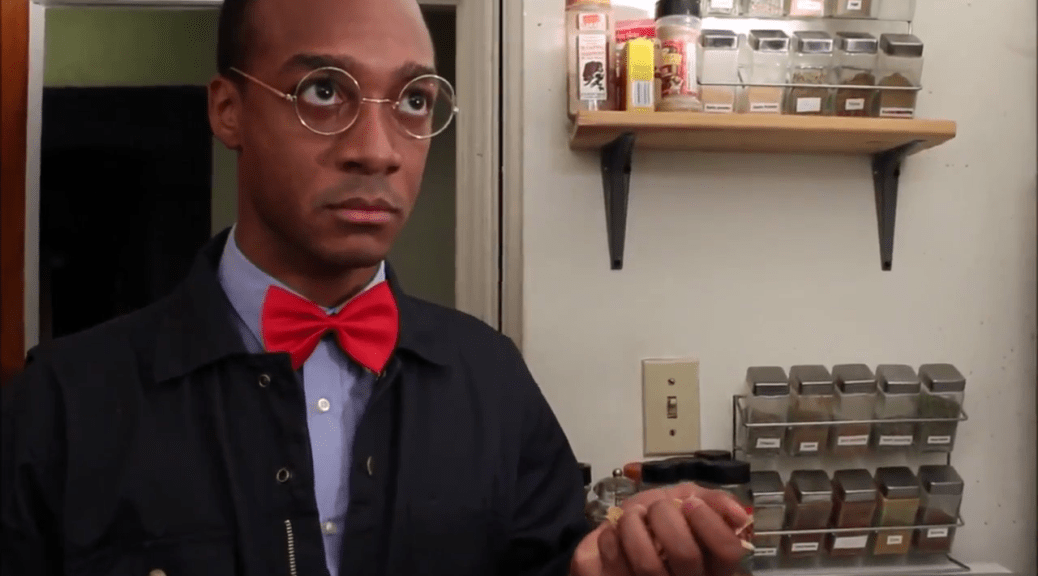
Searles flexibility as an actor is exemplified further in the upcoming film Cereal Killer, written and directed by Fabrice Barthelemy. Cereal Killer is a comedy that follows Jimmy, a young man who loves eating his cereal. However, things take a turn for the worst when someone in his neighborhood keeps breaking into his apartment and eating his cereal. Jimmy, along with his best friend, Sean, team up to begin an investigation of who keeps eating Jimmy’s cereal. Searles plays Gus, the antagonist in the film. Gus is a very mild mannered, quiet, reserved, caretaker of an apartment building. He often says inappropriate things without realizing he said them. When Jimmy is searching for whomever has been breaking into his apartment and eating his cereal, it eventually turns out Gus was the culprit the whole time.

“Portraying a character like Gus allowed me to ‘get my hands dirty’. I wanted Gus to be a very dark, twisted, soulless type of character. I wanted to use this opportunity to break away from being a ‘comedic’ actor in a sense, and shine as someone playing a character who is disturbed. Even though Gus’s lines would still be comedic in nature, I figured his lines would come off even funnier if they were delivered in a dark, morbid tone, rather than from a goofy, comedic character,” said Searles.

Gus was not originally intended to be a dark character, but it was Searles’ intuition that brought the character to life, and the twist added even more humor to the film.

“I created his personality and traits and integrated them into the film. I also learned how to embody a very serious, dark character, darker than I’ve ever played on camera. I learned how to keep the balance of playing a very serious somber character while playing with the comedic lines and aspects of the film. I wanted to be dark enough so the darkness of his character shined through, and the audience felt that, but not too much where the comedy aspect of the film is off balance,” he explained.

And does his technique ever work. In a pivotal scene in the film, when Gus is being confronted for being the cereal thief, he is extremely serious, as if confessing to an actual murder. He even puts his hands up to be handcuffed after his confession, as if he committed a large crime, but he is just being told he is fired.

“Fabrice originally intended the role to be a fun, goofy, type of character, but wanting to play something different than just a type casted comedic role, I played it my way at the table read and Fabrice lost his mind and hollered at how much he loved my angle on Gus. He was so ecstatic and in awe because he never envisioned his character to be that dark, and it’s his dark humor and awkwardness that made Gus even better on screen. I figured that if funny lines from a funny character are expected and normal, then funny lines from an unfunny and dark character would be even funnier, because it’s not what the audience would be expecting,” said Searles.

Although Searles went in to read for the character of Gus, he was actually approached and asked to play the part without an audition. The Assistant Director and Assistant Writer of the film, Sara Sommers, knew that Searles possessed extraordinary acting capabilities that would make the film even better.

“Andrew is an extremely driven and talented individual. During filming, he displayed his incredible acting and comedic talents. There is no doubt in my mind that he was the correct person for the role. No one else could bring this character to life the way Andrew did. His portrayal was done magnificently and effortlessly and I am sure that he will bring these attributes to all his future roles. Andrew is the type of talent that we do not meet on a day to day basis. He is unique, one of a kind and truly remarkable. He is the type of actor that not only would directors and producers love to work with, but also will be loved by audience members as they will be struck by his presence. I would work with Andrew on a future project in a heartbeat. He truly is a talent to look out for,” said Sommers.

Cereal Killer is expected to be released later this year.
Producer Michelle Solomon talks award-winning film Emma and telling important stories

simon-paluck
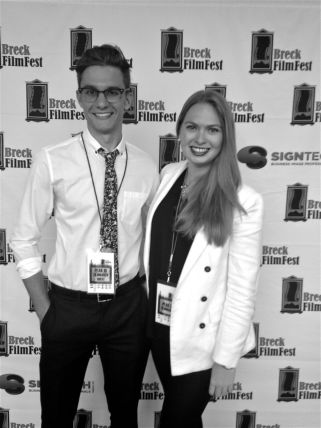
Actor Simon Paluck and Michelle Solomon at the Breckenridge Film Festival premiere of Emma.

“I will never forget the universal and palpable emotional state the audience was in while the film played. It was the first time the audience was not made up of family or friends. It was a humbling reminder of how communicative film can be and that it’s important to use the medium to tell meaningful stories.”

Those are the words of Toronto-born producer and graphic designer Michelle Solomon when talking about the highlight of her career. She was talking about her first feature film Emma premiering internationally at the Breckenridge Festival of Film in Breckenridge, Colorado.

Solomon has had ample amounts of success in her career. She transformed the brand Ace Building Materials by making them current and relevant with her graphic design skills. She produced the award-winning film Chalk Dust and the upcoming film Sunny Side Up. She is set to work on a television show with former NBA star Kareem Rush, and co-founded the production company Picosphere Inc. She founded the company Adoorn, an app which will revolutionize social shopping right in the palm of your hand, which is set to release early next year. Despite all of these successes and achievements, and being known internationally for both her producing and design abilities, the premiere of Emma still stays with her, and working on the film shaped who she is today.

Emma is a realistic look at the world of childhood cancer and how the disease goes beyond just the person diagnosed. It’s important to not commodify and exploit a very real experience that, unfortunately, many kids and their families go through,” said Solomon.

Emma tells the story of seventeen-year-old Jayson. Jayson thinks too much. He is introverted, friendless, and wakes up wanting the day to end. That is until he meets Emma, the captain of his school’s dance team. After his psychiatrist tells him to be more involved, Jayson joins the school newspaper and is sent to write an exposé on Emma’s rumored pregnancy. Instead, Jayson uncovers that Emma has cancer. Suddenly, Jayson is pulled into a vibrant world where real love and true sacrifice flourishes. Through Emma, Jayson learns about life, love, and the importance of letting go.

Emma was a story that needed to be told. It was based on the personal experiences of the writer, Simon Paluck. What initially drew me to the film was the way that childhood cancer wasn’t glamorized or made effusive. Many films showcasing kids with terminal illnesses, often portray an idealized version of the truth. The illness becomes a tool that convinces characters to fall in love or travel the world. Experiences surrounding childhood cancer goes deeper than that. It is specific and nasty. With Emma, I like to think we showed one of many truths,” said Solomon.

The film has gone on to win a list of awards. These include: the “Royal Reel Award”, Canada International Film Festival, in 2015, the “Best Feature: Venture Category” at the Paris Online Film Festival 2016, “Freaky Feature” (Best Feature) at the Broken Knuckle Film Festival, 2016, and “Best Indie Film” at the Los Angeles Film Awards, 2016. At this year’s Festigious International Film Festival it won “Best of Fest”, Best Narrative Feature”, and “Audience Choice Award: Narrative Feature”.

“It’s entirely humbling to know many are responding to the film’s message.  With film production, there is always a moment of doubt where you think others will not understand what you’re trying to do and critique it unmercifully. Thankfully, this has not been the case for Emma,” said Solomon.

But what is perhaps Emma’s greatest achievement is not the official selections at film festivals or it’s long list of awards, but the work it has done for the Make-A-Wish Foundation.

To raise funds for the film, Solomon came up with the innovative idea to partner with Make-A-Wish foundation and hold a silent auction. She wanted to give back to the community through the film, so the silent auction was to raise funds for both the film and the Make-A-Wish Foundation.

“This type of innovative fundraising is just one of the ways Michelle has proven she is a natural, talented producer,” said Veronica Porfilio, the film’s executive producer.

As a non-writing producer, Solomon says she is always trying to find creative ways to expand a film’s reach.

“My personal mantra is that instead of thinking outside of the box, recognize that there is no box,” said Solomon. “Personally, I felt compelled to use the film to make a greater difference. I was able to gather over $17,000 worth of donations and raised enough money to not only finish funding the film but also donate a major portion to the Make-A-Wish Foundation. Our contacts at the organization really took to the idea of spreading awareness through the ‘show-don’t-tell’ approach of film.”

Solomon’s approach to producing earned the entire cast and crew’s respect immediately, despite being her first feature. The film had a small budget for such a massive project. They employed union actors and shot at over ten locations. Solomon would not let these challenges negatively impact the story.

“Michelle was able to secure a highly sought after location that was instrumental to our film without going over-budget. Without that location the film would not have been as successful as it was. When she first spoke with the location manager it seemed we would not be able to use the space to film Emma, but that did not deter Michelle from bargaining because she knew the location was key to the film’s success. After weeks of negotiation Michelle secured the location.

Michelle’s talent as a producer shone through every task while working on Emma, and it shaped the producer she is today,” said Porfilio.

Including Solomon, there were ten young, dedicated professionals lead our executive team working on Emma. Solomon says each person was there because they were committed to telling the story.

“That type of energy is powerful and we kept each other motivated, especially through the challenging parts of independent filmmaking,” she concluded.

Megan Waters to produce upcoming sequel of hit film Ditch Day Massacre

waters_0077
Megan Waters is a producer from Toronto, Ontario.

Megan Waters is many things. She is a Canadian, born and raised in Toronto. She is a pinball enthusiast who loves retro games. She is a world traveller and describes the world is her playground. She is a salsa dancer, believing it to be an amazing dance and community. And above all else, she is an extraordinary film producer, using her skill and creativity to entertain audiences.

Waters passion for producing is evident. She has been producing for over twelve years, and has received praise and recognition for her talent. In 2012, the “Soul of a Ninja” Kawasaki USA commercial she produced won the Bronze ADDY Award at the American Advertising Awards. The first feature film she produced, Ditch Day Massacre, won the 2014 Best Feature Length Horror Film at the Burbank International Film Festival. Waters is one of those people who knows she is doing what she was meant to do.

“Why be the puppet when you can be the puppet master?” said Waters. “I got into producing because I love the business just as much as the creative process. As producer, I get to wear both hats and interact with all aspects of production.”

Now, Waters is set to continue her success of Ditch Day Massacre by producing the sequel Ditch Day Massacre II. The film will follow the character of Jenny, who is placed into a mental institution after suffering from a mental breakdown as a result of a brutal attack. Little do Jenny and her mom know that what’s inside the walls of the mental institution is far more deadly than the world outside. There will also be a documentary about behind-the-scenes look into the making of the film, which Waters will be producing.

“Working on Ditch Day Massacre has been the highlight of my career. It taught and tested me so much. It was an incredible experience as the crew all had the same level of passion and commitment to making this project go,” she said.

Waters had help on Ditch Day Massacre, with producer Michael J. Zampino as a consultant for the film. Zampino has lots of experience working on horror films, including distributing the award-winning film The Slaughter. Despite this, he was still impressed with Waters’ commitment and knowledge of the genre.

“What sets Megan apart from many producers is that she has confidence but very little ego. That’s extraordinary in our business itself. Megan moved mountains and motivated everyone to bring their A-game to complete Ditch Day Massacre in 17 days,” said Zampino. “Megan is a tireless worker who strives to carve out not one film but a career worth of films. Ultimately, the film would never have been completed, and never would have received the attention and sales that is has, if it weren’t for Megan’s drive and leadership. Megan’s successes in the international film and television industry marks her as one of the most successful and skilled producers to come out of Canada in some time.”

Waters’ success is not just limited to film. She produced the Emmy-nominated series Chop Cut Rebuild and the Speed Channel series Street Tuner Challenge. It is not the accolades that motivate her. She says every project is a creative and logistical puzzle that needs to be completed.

“I create and execute. I get an idea, script, project, client need and make it happen. I usually start from where I wish to finish and then work backwards. I think mostly in visual stories and then align the team and resources to execute,” said Waters. “When I produce I like the challenge of figuring out the puzzle pieces and then putting them together. Plus, all the hurdles that make it a one of a kind experience on each project. I love that producing offers a different road every time. I fear a career that becomes repetitive. I love the randomness and goal of planning for the unpredictable. It’s organized chaos and when you build the team that communicates, respects and share the same passion for the project amazing things happen.”

Part of this passion also comes from using film as a tool to send a meaningful and powerful message. Waters has seen. a lot of success while making PSAs, especially producing the PSA “Over Watering Is Out” about water saving gardening. Part of what makes her PSAs captivating is that she refuses to create what she would consider “boring content.”

“When I am considering film or documentary projects I look at the story. It must hold my interest and I must feel passionate it about it. I say this because it takes everything in you to complete a long format project. If you don’t have a connection to it then you will be pulled away from it and it will never get done,” she said.

There is no doubt that with the innate skillset Waters possesses alongside her passion for the industry, her name will continue to roll past the eyes of audiences in the credits for years to come. She is determined to produce quality, and she never lets anything stand in her way.

“I expect and accept challenges. It’s part of producing. I actually joke with my teams that my title may be ‘producer’ but it should be changed to ‘head problem-solver.’ I am proactive and focused on the solution when challenges arise. It’s better to work toward the solution and communicate, communicate, communicate. Some of the best creative ideas have been derived and developed because of a challenge,” she concluded.

You can look out for Waters’ work on the upcoming Accio Cine feature film From Dust to Diamonds, and of course, the anticipated Ditch Day Massacre II.


THIS CANADIAN ACTRESS PROVES THAT HER ACTING AND DANCING ARE ON POINTE

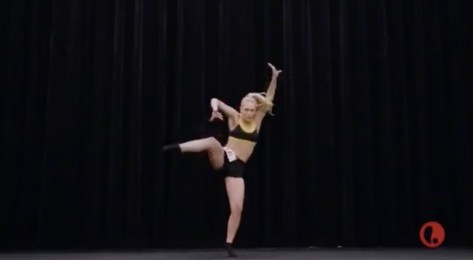
Lanie McAuley is a dancer, and she plays one on film. In real life, McAuley made the switch from concentrating on a dance career to choosing acting as her focus. However, she returned to dance with her role in Center Stage: On Pointe. It’s not often that one gets to appreciate who they were as a younger person and who they are just a few years later with such contrast. As a gifted young dancer from Canada, Lanie moved to New York when she won the audition for a production there. These days, as a successful actress she spends her days on film sets. Though she still pursues a creative life, the avenue which she pursues flexes different muscles, literally and figuratively. McAuley is a self-described practical person yet the vocations she has chosen to pursue seem to contradict that idea. A dreamer who began her professional career a little more than a week after high school graduation (with great success), it seems impossible to imagine her doing a job which involves a nine to five schedule and a 401K. Lanie’s view of herself is probably a product of her middle-class work ethic coupled with a desire to work her entire life at something which inspires passion in her. Even when she alters her path, Lanie McAuley always finds her way back to doing something creative…sometimes a number of things at the same time. It’s serendipitous that years after leaving dance for acting, Lanie’s acting career has brought her back to dance to star in the sequel to her all-time favorite dance film, the original Center Stage.

A young Lanie followed her sister’s footsteps into dance. At 18, McAuley attended a dance competition called New York City Dance Alliance, where auditions were being held for a tap/jazz show called Revolution. Her dance teacher suggested she go to the audition just for the experience; hundreds of female dancers were narrowed down to four and soon, Lanie was offered a spot in the show. She had just graduated from high school a week before. Suddenly she found herself moving into an apartment in Queens and taking the train to Manhattan every day for rehearsals. Literally overnight, she went from high school and living as her parents’ sheltered little girl to living alone in New York with a full time dance job. The hours were long and it was both physically and mentally exhausting. She was the youngest member in the cast and had to learn quickly. It was a quick and amazing kick off to adulthood and a professional career in dance. In addition to the achievement of being in a successful New York production, Lanie also made it into the finals of So You Think You Can Dance. Her focus changed from dance to acting as she became keenly aware of certain factors. She reveals, “I was clear on my love of dance but I started questioning how viable my career options were in that world. I’m a very practical person and the idea that an injury can blow your entire career seemed so frightening to me. I’d been acting since I was a toddler and acting had always been a part of my life. Though I still loved dance, I’d always wanted to make acting more of a focal point in my life rather than a side interest. I think my background in dance has been a huge asset in helping me gain roles as an actress. It made me very comfortable performing, whether on stage or in front of a camera. My dance training definitely gave me a posture and poise that I never would have had otherwise. I also think growing up in the dance world (particularly ballet) gave me a lot of discipline. Being an actor requires a lot of discipline, involving everything from memorizing sides, to committing to a scene, to taking care of yourself emotionally.”

lanie-mcauley-center-stage-1

It has often been said that nothing worth having comes easy. This can be true even if you have a head start. When McAuely’s agent called her about the audition for Center Stage: On Pointe, the actress was ecstatic. The original [Center Stage] is her favorite dance movie of all time and a highly motivated actress with a strong dance background was required for the role. Lanie’s character, Wendy, is meant to be a strong dancer who’s the measuring stick against which Bella (played by Nicole Munoz) is compared at the audition. The legendary Director X was involved in the production and ran a rigorous dance audition composed of ballet and modern dance styles. McAuley notes, “Auditioning for Director X was an intimidating experience. At the dance audition, I remember doing the ballet combo and him saying, ‘Again. Again. Again.’ I think he was testing my endurance. By the time I’d done it four or five times at 110%, I was exhausted. I had to hold my breath when they spoke with me afterward to hide how badly I was panting.” Lanie was awarded the role of Wendy in the film. Her costar, Nicole Munoz comments confirming the facets which made McAuley such a vital part of the film, “Captivating to watch, Lanie performed a contemporary dance solo. Her commitment and bright energy inspired the other dancers and raised morale on set. Multi-talented, Lanie was able to bring the character ‘Wendy’ to life by bringing an emotional depth that touched the cast and crew. We were filming on a tight schedule. Being a true professional, Lanie was able to bring a powerful energy to each take. Never once stumbling, she was always more than prepared. Lanie stands out from the crowd with her multiple talents, each and every one of them groomed and ready to go.”

Center Stage: On Pointe premiered with great success on the Lifetime network. While Lanie feels fortunate to have been in the cast of this popular film as well as challenging herself to unearth her dance proficiency, she concedes that she feels a reaffirmation that she made the correct choice in acting. She declares, “I think the main similarity between a career as a dancer and as an actress is that both careers are based on art and passion. Most people don’t enter these careers for the money; they enter them because they love the work. There are definitely some big differences between the two. Truthfully, acting is more lucrative, if you’re able to find success in it. There just doesn’t seem to be the same kind of funding and opportunity in the dance world that it deserves. There are certainly people who are enterprising enough to have thriving careers in dance (I’m so impressed by their drive and initiative) but for me, my passion for dance didn’t run deep enough to create those opportunities for myself. That’s likely because my practical brain couldn’t rationalize the risk of injury and the deterioration of opportunity with age. One of the coolest things about acting is that you can act professionally at any age. Acting is the art form of life…and life is all ages. When you’re 75 years old, there’s still a role for you. That’s a big part of why I focused on acting as my career.”

Processed with VSCOcam with p5 preset


Actor Philip Moran Totally Recalls his big break

total-recall
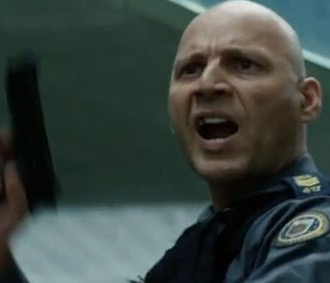
Philip Moran as the immigration sergeant in 2012’s Total Recall.

For many actors, their breakout comes from a gruelling audition process, waiting in a room with hundreds of others, hoping to be the one left standing. There are call backs, and screen tests and waiting games, creating a stressful situation that eventually turns into something. After the process is over and everyone is cast, the rest is history. For actor Philip Moran, his career-changing role came quite differently, when he played the immigration sergeant in the 2012 blockbuster Total Recall.

Some people attribute luck or chance to their success, but Moran is not one of them. His unwavering belief that he will do something and achieve something ends up becoming a manifested truth. This is what happened with 2012’s Total Recall, starring Colin Farrell, Kate Beckinsale, and Jessica Biel.

“It is quite extraordinary how it all happened. I felt assured that I was going to get an actor role in this blockbuster movie. I didn’t know how it was all going to happen, but I sensed it would. I posted all these positive-notes around my house to help create a strong inspiring expectation. I started making phone calls and tracking information to make things happen. For the first time, I joined the Actra union,” said Moran. “I got onto the set in a less significant role, and gradually caught the attention of Len Wisemen, the director of the movie.”

Wisemen, married to the film’s co-star Kate Beckinsale, had seen Moran on camera, and handpicked him to take on a more challenging acting role, telling Moran he could be a bigger asset to the film. The next day when Moran walked on set, he felt like the star he would soon become.

“At one point, I actually remember there were three cameras on me, and Colin Farrell, a great actor, was standing in my scene, but there weren’t any cameras on him. I felt like a star,” Moran said, almost still in disbelief. “And it felt really special. You have to get up and make it happen for yourself. You can’t wait for people or things to come to you.”

Now, Moran is the star of the upcoming feature film Adams Testament, filmed in late 2015, working alongside an all-star cast. The role has already been official selections at film festivals and brought Moran himself an award nomination at the 2017 INFAME awards. This success, he says, can all be contributed to that one fateful day in 2012 on the set of Total Recall, and the strong desire to want to be something more.

“For some reason, I was expecting it, like it was part of my universal plan. During filming, I was walking on the set as if I was one of the main actors. When Len Wisemen asked to talk to me, I was definitely very excited and felt my plan was working. Even though I believed it would happen, I was still a bit shocked, but I knew it was happening,” he said.

philip-1
Philip Moran is from Toronto, Ontario.

The role was Moran’s bread and butter. Having attended school years before to train as a police officer, he had training on firing a gun, which was one of the requirements of the role. Everything was working out for him. He was prepared, excited, ready, and expected the perfect opportunity.

“I brought my mother and my sisters to see the film at a Cineplex theatre, and they saw me on the screen in a big feature film. People were paying to be there. It was great,” said Moran. “My mom thought it was wonderful. I brought her to things before, like small film festivals and short film premieres, but nothing as special as seeing a big blockbuster movie and seeing your son on the big screen and his name scrolling in the cast list.”

The role provided Moran with the breakthrough he needed. From there, he became sought after and recognized in the industry. He started creating some acting workshops, and shared excitement with other people through those classes. Director Rafael Kalamat was inspired after seeing Moran’s acting scene, and offered his services as Moran’s personal publicist. Kalamat was then motivated to open his own production company and in 2015, he cast Moran as the starring role in his film Adams Testament.

“Philip is a flexible actor who can be a lead in an independent feature like Adams Testament or a day player on a Hollywood blockbuster like 2012’s Total Recall,” said Kalamat.

Moran said the scene came with a price, as it was a very popular scene in the original 1990 Total Recall film starring Arnold Schwarzenegger. In Moran’s scene, Colin Farrell, disguised as someone else, is sneaking through immigration at the airport. When the officers realize it is him, a fight erupts. Wanting to make the scene not only as memorable, but better than the original film was important to the director.

“There were a lot of stunts, and a lot of bullets shells flying. That whole scene, it’s one cut. There were 450 background people on set, and approximately another 50 were stunt performers. It was so exciting,” said Moran. “I remember in one take I got hit with one of the machine gun shells and when it hit me on the cheek, it burnt. I saw the red mark, I got some gun powder in my eye when I held the gun up in the air. But being a professional I flinched and continued filming. It was a sacrifice, because that’s what good actors do.”

Working on the film was Moran’s first career-changing role acting with an ensemble cast, which he says gave him an amazing opportunity to learn from some of Hollywood’s best. After previously working as a warrior on the 1995 film Johnny Mneamonic with Keanu Reeves, this was his first opportunity since then to combine stunt work with his acting skills in a major film. For Moran, it was kind of a déjà vu.

“It’s funny, because my first film I worked on was Johnny Mneamonic back in 1995. The movie was about a man who had something in his brain that bad people wanted. When you think of 2012’s Total Recall, it’s a lot like Johnny Mneamonic and the 1990 Total Recall combined. There I am almost 20 years later, working on a film combining the two. It was magical. I came full circle to realize my career was made,” he said.

There is no doubt that Moran’s experience on 2012’s Total Recall ignited his career, and being singled out by a top Hollywood director justified any struggles he would have or had already experienced. Since that time, he maintains that having belief in yourself and the right attitude, combined with skill and opportunity, will get anyone wanting success to where they need to be. And it looks like that plan is working out pretty well for him so far.

“I felt like I was on my way to something but I didn’t know what. People are always saying you can’t see what’s ahead, and I tell them it’s based on what’s happening to you now, your interpretation of it, planning your work, and working your plan” he concluded.

Featured Actor: Canada’s Nathan Mitchell!

nm
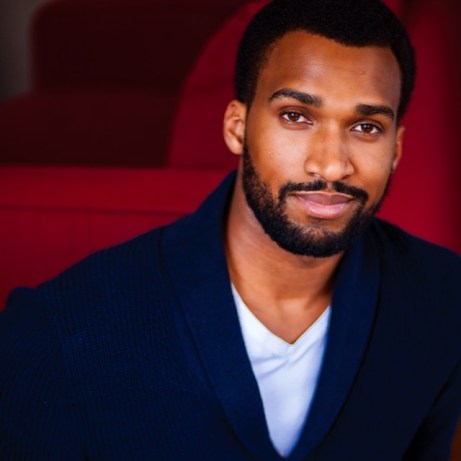
Canadian Actor Nathan Mitchell shot by Rebecca Eady


For Canadian born actor Nathan Mitchell, who is known for his roles in an impressive list of hit films such as “Twist of Fate,” “Newlywed and Dead” and Lifetime’s “The Real MVP: The Wanda Durant Story,” as well as the multi-award winning series “Arrow” and “Motive,” the acting bug bit at a young age, and he hasn’t turned back since.

Mitchell says, “What’s appealing about acting for me is that it’s an art form that requires genuine connection with other people. You really have to listen; you really have to let yourself be affected by the other person to create something dynamic. When you’re that tuned into someone else you have this fun, meaningful experience.”

Starting out in the industry nearly a decade ago, Mitchell skyrocketed to the top of the Canadian TV scene almost immediately when he took on the recurring lead role of Jeffrey on The CW’s comedy “Aliens in America.” Mitchell’s character Jeffrey is the on-and-off boyfriend of lead character Claire Tolchuck, played by Lindsay Shaw from the multi-award winning series “Pretty Little Liars.”

A coming of age comedy about a Pakistani exchange student who moves to America to live with the Tolchuck family and attend high school in a foreign country, “Aliens in America” was an immediate fan favorite thanks to the way it wove together relatable storylines about the dramatic experiences of being a teenager in a way that left viewers feeling good.

One of Mitchell’s funniest and most unforgettable moments in the series was in the second episode when Claire tries to break up with him. Instead of fading out, he stands on her front lawn with a boombox on his shoulder blasting ‘In Your Eyes,’ an icon and effective move on his part.

While “Aliens in America” was the perfect venue for Mitchell to show off his comedy side, but what audiences have come to know the actor best for is his unparalleled skill in drama.

Over the years he’s given numerous memorable performances on hit TV series such as the Golden Globe nominated crime series “Covert Affairs,” the two-time Primetime Emmy nominated sci-fi series “Falling Skies,” the Gemini and Canadian Screen Award winning series “How to Be Indie,” the Joey Award winning series “The Tomorrow People” and more.

motive-2
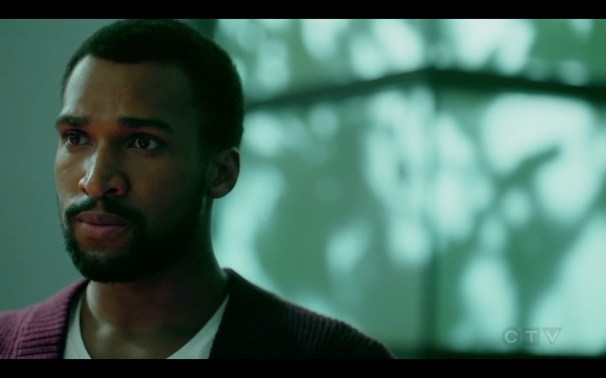
Nathan Mitchell in a dramatic moment as Russell Bowman in “Motive”

In season 4 of the dramatic crime series “Motive” Mitchell took on a starring role as famed BC Furies quarterback Russell Bowman, a distraught husband mourning the loss of his murdered wife.

“There was a weight to this character because he is dealing with the most monumental loss of his life. We get to see some of the happy times they had as a couple. But then you’re dealing with the heaviness of going through such a deep loss,” recalls Mitchell about playing Russell Bowman on the series.

“He has to deal with losing the most important person in his life. Seeing how he handles that is just as interesting as solving the murder itself. Those two parts of the narrative keep you on your toes.”

Nathan Mitchell
Kristin Lehman (left), Nathan Mitchell (center) & Brendan Penny (right) in “Motive”

Mitchell’s riveting performance as Bowman is emotional, honest and impossible to peel our eyes away from, the actor definitely has a gift for bringing challenging and multi-layered characters to life on screen.

With the craze of comic book inspired blockbuster films and hit television series that have swept the entertainment industry over the last few years, it’s not at all surprising that Mitchell is a part of that world too, the DC Universe to be specific.

In season 3 of The CW’s “Arrow,” Mitchell guest starred as Isaac Stanzler, a key character in the developing plot between Oliver aka Arrow, played by Stephen Amell (“The Flash,” “Legends of Tomorrow”), and Roy aka Arsenal, played by Colton Hayes (“San Andreas,” “Teen Wolf”).

The abandoned protege of Wildcat (J.R. Ramirez), Isaac appears on the scene embittered from the betrayal and ready to make Wildcat pay by framing him for a string of mysterious murders.

Mitchell explains, “I came out of the shadows to frame Wild Cat for giving up on me and leaving me in the hands of criminals. It was exhilarating getting to be a part of the DC Comics Universe and bring comic book lore to life.”

A critical subplot in “Arrow’s” overall story arc, the relationship between Isaac and Wildcat reveal what could happen to Arrow if he were to be abandoned by Arsenal in the future; but only time will tell how that plays out.

Nailing the mark with his performance in “Arrow,” Mitchell brings his character to life seamlessly by tapping into the hurt and resentment Isaac has towards Wildcat. In the heart pumping fight scene where Isaac takes on Arsenal, Mitchell makes it’s clear that what’s driving his character is the need for vengeance, which makes him a relatable villain that we hate and feel sorry for at the same time.

As an actor, Nathan Mitchell brings a rare level of diversity to the table thanks to his ability to find the root of what drives each of his characters, an asset that has allowed him to play a wide range roles across practically every genre.

He explains, “The more I truly explore my roles the more I become aware of different facets of myself. There’s a huge psychological component to it. You’re taking the script and deducing how one would act based on the circumstances. You’re always learning about human nature. It’s very fulfilling.”

Nathan Mitchell
Rose McIver (left), Nathan Mitchell (center) & Malcolm Goodwin (right) in the season 2 finale of “iZombie”

Up next for Nathan Mitchell is season 3 of the TV series “iZombie,” which airs in 2017, as well as the upcoming sci-fi film “Scorched Earth,” where he takes on the critical role of Zee. Audiences will also be able to catch him in the upcoming film “The Marine 5: Battleground,” where he takes on the key role of Cole.


Actress Savannah Burton makes film My Wounded Head a success

When starring in My Wounded Head, Savannah Burton was there to tell the story. Like any good actress, committing to the role and giving a believable and memorable performance was the top priority. However, unlike most actresses starring in a film, Burton was the only performer. The success of the film and sharing the story was up to her. And she didn’t take the responsibility lightly.

My Wounded Head tells the tale of a transgender woman as she delicately puts on makeup while staring at her reflection in the mirror. Burton, a transgender actress herself, plays this woman. Her makeup is a metaphor for her transformation to uphold society’s perception of beauty, while addressing the transition that transgender people may go through. Digging even deeper, the makeup also acts as a form of armor, protecting her from the scrutiny that comes from the outside world.

“I chose to use extreme close-ups throughout the film, in an effort to magnify the expectations of society for a transgender woman, versus what she expects of herself,” said Stephen Chen, the director and writer of the film. “I needed an actor of the utmost quality that could convey the film’s deep messages without speaking one word; Savannah Burton was the one and only actor that could do just that. The success of the entire film rests on her shoulders, as she is the only performer in My Wounded Head.”

“Savannah does a remarkable job of bringing an authenticity to the role, taking the audience on a journey of discovery by creating a combination of comfort and uneasiness that makes the film both fascinating and enthralling,” continued Chen.

Burton’s talent is evident in the film, and brought the film great acclaim as an Official Selection at the esteemed Imperfectu (Tijuana) International Film Festival, Gender Reel Festival, and Sydney Transgender International Film Festival. Chen believes the many Official Selections My Wounded Head received wouldn’t have been possible without Burton in the starring role.

“It is always a thrill to have a film selected to be in a film festival. It’s recognition of the project a group of people worked on and gives you a positive feeling that people appreciate your work. This also gives the film a larger audience and a chance to have more feedback,” said Burton.

Burton worked closely with Chen to make the film exactly what they envisioned. She says the partnership was easy, and Chen was very prepared and knew exactly what he wanted, which makes her job as an actor much easier.

“When watching the film for the first time I was very proud of the work I did and felt Stephen did an amazing job telling the story he wanted to make,” said Burton.

Being without makeup for parts of the film was originally uncomfortable for the actress, but she quickly began to see the artistry of the project.

“I start the film without any makeup on and the camera follows me as I get ready to go out for the evening. Not wearing makeup made me feel very vulnerable but I feel stronger after for focusing and completing the work. I felt a little anxious about seeing it, but I was very happy with the end result, she said”

Burton has worked on many successful projects, including Syfy’s hit show Killjoys and the CW success Beauty and The Beast. She also is in the new LGBT period piece The Kiss.

This project, however, was an important piece of her career. Beyond anything, she took away a valuable realization while working on My Wounded Head. It was her first film after her transition.

“It felt amazing to finally be working as myself,” she concluded. “I learned that I can have a career as a trans actress”

Adversity and Success – The Unconventional Career of Tim Hauraney

By Martin Desouza 

It is undeniable that in the pursuit of a passion, adversity is inevitable. Canadian professional racecar driver Tim Hauraney came to this realization early and often in his career. No matter how fast he could drive, adversity would catch up to him around every corner, and straightaway.

Hauraney recounts several difficult situations he had been able to endure in his pursuit of becoming a professional.

In racing academy, Hauraney would spend months fixing cars for 12 hours a day, seven days a week, just to be able to test the Formula 2000 cars and sharpen his skills.

While racing in the ChampCar Atlantic Championship, Hauraney had to place high enough in each race to earn enough prize money to finance the next race.

Hauraney was even forced to sleep in the transport truck, which carried his car on a tour across North America, while competing in the Formula Renault Series (Fran-Am) – a feeder system into Formula 1.

“While other drivers were flying first class and sleeping in five star hotels, I laid my head to rest at many of the wonderful roadside truck stops across America. Truck stops are… interesting places to say the least,” Hauraney laughs.

Despite all of the challenges, nothing compared to 2008 when North America entered the worst recession in 75 years.

“I drove a rusty old 1987 Mazda 626 with no heat,” Hauraney says.

Not exactly the car you’d expect one of Canada’s most illustrious racecar drivers to use to earn a living.

“Sponsors and owners tightened their wallets, racing teams folded, and I had to find a way to earn a living. I moved home to Peterborough, Ontario and got a job delivering pizzas.” Hauraney says.

In 2008, Hauraney was a local celebrity known for driving some of the fastest, most expensive automobiles on the planet, who found himself driving a car worth $800, chasing teenagers for tips. He went on to confess that it was without a doubt the lowest point of his career.

Prior to the recession, Tim Hauraney was one of the most promising young drivers in racing.

In 2005, the Formula Ford 1600 rookie of the year found himself all over newspapers and magazines as he made his ChampCar Toyota Atlantic Debut at the Honda Indy in Toronto, his home event. Race fans knew Hauraney as an aggressive, dynamic, and calculated driver. Owners and managers knew his true strengths were in his knowledge of the cars, his attention to detail, and his ability to provide accurate feedback for his team to make adjustments on the fly. This ability was the most important characteristic that teams look for in their driver and one that helped Hauraney develop an elite reputation in the racing community.

In 2008, however, Hauraney’s abilities and reputation didn’t matter to team owners.

“Teams were looking for money, not talent. Unfortunately, I didn’t have the financial support that many other drivers had, so I was left without a team to drive for. Psychologically, It was very difficult to accept. I definitely felt that my passion for racing was fading,” Hauraney describes.

A passion that began by fixing cars with his father, and grew stronger watching the likes of Brazilian F1 driver Ayrton Senna tear up the track on TV, was once again struck with the difficult reality that auto racing is the most expensive sport in the world.

A full season competing as a semi-professional racecar driver costs about $1,000,000, which made sponsorships, and wealthy team ownership essential.

Even though Hauraney was no longer racing, he did maintain a part-time job touring the US working for car manufacturing companies on a segment called “Editor for a Day.” He would educate consumers using his expert knowledge of cars, while they test-drove the cars on a track. The driving program was turned into a TV commercial and aired in several states.

“I played an intricate role in developing the program and the production experience added a new dimension to my career,” Hauraney says.

This experience helped Hauraney to transition when a new opportunity presented itself from an unlikely source.

Prior to Dan O’Toole becoming the news anchor for Fox Sports Live in the United States, he was the anchor for TSN in Toronto.

O’Toole is a big racing fan and a former fan of Hauraney’s. The anchor recognized that Hauraney’s racing career had slowed down as a result of the recession and he asked Hauraney if he’d ever considered applying his professional racing knowledge and experience to a role in sports media.

O’Toole recommended that Hauraney take a crash course in journalism at the Toronto College of Sports Media.

“Dan pulled me aside and pointed out that racing is a good niche for TSN which I could add value to. He knew TSN’s Formula 1 product could be better and that there was huge potential for me, and the product” Hauraney says.

As he had done so often in his career, Hauraney put his head down and worked relentlessly to learn the ins and outs of his newfound industry.

He spent months learning as much as he could about the production process, and before he knew it, he became a lead producer for TSN’s racing content, and the official racing analyst.

Hauraney has interviewed some of racing’s biggest stars including the likes of James Hinchcliffe, Nicholas Latifi, Lance Stroll, and Lewis Hamilton.

When asked how Hauraney handled the challenging transition, O’Toole says, “Tim was able to make the jump from the driver seat, to the analyst seat, without even a wobble. He brought his expertise as a racer, and delivered it to the viewer in a very digestible way. Tim not only has the ability to break down races, but also get inside the minds of the current drivers, like he did with Lewis Hamilton.”

Evidently, what seemed like an unfortunate end to a once promising career became revitalized by the perseverance of a man so committed to his craft.

These days, Hauraney continues to apply his advanced knowledge of cars as a product specialist for Ferrari and Maserati.

He also helped forge a television deal between TSN and Nissan in which he acts as the producer and star of their television commercials.

The zealous athlete turned analyst is evidence that through determination and persistence, no amount of adversity can overcome a person committed to pursuing their passion.

A WRITER FOR ALL (FUNNY) PEOPLE

10712879_490291901073338_1966027930962338968_n

When Miguel Rivas states, “I think we live in an era when people are becoming increasingly accepting of different types of stories, ones which they previously might not have paid much attention to. It probably has something to do with the social media age where you can hear back from other people about their lives and experiences in a way you couldn’t before. You would have your opinions and your views and you wouldn’t get them reflected back on you. That’s changed. If you want to understand someone else’s life and experiences, it’s much easier to do now. We should hope we’re all becoming more empathetic.” …this is possibly the most benevolent and optimistic view of social media’s effect on society that you have ever heard. Part of the reason is that the idea in itself supports a reaffirmation of faith in humanity; the other part is due to the fact that Rivas knows how to turn a phrase. As a professional writer, he understands the subtle emotional impact of phrasing. Rather than using this ability to support a political candidate, compose a novel, or impress bar patrons (well, that might happen from time to time), Miguel has focused his intent on bringing laughter and assisting other creative types in achieving their visions. Rivas will be the first to admit that his intent is not completely altruistic at its core; he loves nurturing the sometimes ridiculous ideas that enter his transom. Rivas is probably best known as a member of Canada’s comedy troupe Tony Ho, with whom he has written and performed on stage and on screen. However, he has many projects contained in his writing resume that testify to his individual voice and style.

At the center of any artist is a desire to take the joys and difficulty which life has handed them and exorcize them in a positive manner. It’s as much a catharsis for them (sometimes a painful one) as it is entertainment for those of us in the audience. There must be fertile and resourceful ground for these artist to communicate the feelings and ideas they are transferring. Miguel is sometimes the artist acting these situations out and even more often, the artist fueling them with his own words and ideas. Tony Ho has given Rivas many opportunities to explore different styles and scenarios in his writing. One of the most popular Tony Ho productions is Japan. This film is about office politics and the social dynamics that prosper in them. Rivas plays Pat Dunkling, the boss who has recently travelled to Japan and is overly eager to represent himself as an aficionado of Japanese culture. The apex of the drama comes when Dunkling decides that the business cannot support two interns so, Marty and Nolan (played by Adam Niebergall and Roger Bainbridge) will perform a Karaoke-off with the winner being rewarded a well paying full time position. Rivas wrote his character specifically to make fun of the type of person who travels to an interesting location and then tries too hard to convince others how impactful the experience was for him/herself. Rather than making fun of a specific culture, the idea was to communicate how certain individuals find it easier to “play” a role rather than simply discovering and relying upon their own identity. Miguel enjoyed writing this character (complete with a Dragonball Z haircut) as well as the roles for Adam (a ne’ er-do-well) and Roger (a slightly overly eager romantic with a fear of missed relationship opportunities). In writing and presenting the theme to Japan, Miguel was always mindful of the audience’s reception of his work. He notes, “You have to be very careful when it comes to what you want to say with comedy. Nothing is off limits completely but you always have to be punching in the right direction, as they say. We knew that the joke in our minds was this corporate culture where people absorb and consume whatever they can in order to make a stamp. My character’s buffoonish understanding of Japanese culture was the target, which was encapsulated in the line ‘Hmmm, very not what I think is Japanese.’ I wanted people to understand this character but perhaps not to like him.” Japan won the Grand Prize for best film at the Laugh Sabbath Film Fest at NXNE, as well as a nomination at the Canadian Comedy Awards.

177499_330464593700130_1234495893_o

Wanda, another of Miguel’s compositions, was also nominated at the Canadian Comedy Awards and was shortlisted at the Laugh Sabbath Film Fest at NXNE. The storyline of this film was very different from Japan, involving a stalker, a polyamorous love triangle, and an attempted murder. It would not seem like the normal fodder for comedy and yet Rivas was highly adept and finding the amusing side of the dark humor. The idea started with a highly unusual point of inspiration. Miguel reveals, “Part of the inspiration was this visual gag where we wanted someone to die with their eyes open. Sometimes you reverse engineer an idea off of something pretty silly. Hey, comedy.” He continues, “I try and create all kinds of characters, but the film style we’ve leaned on and developed as Tony Ho succeeds best when there’s an element of reality for each character. In writing the characters, I can take them to some pretty unfamiliar places; then through performance, I try and add a level of emotional honesty. This is really important to me.” Bainbridge confirms that Miguel’s writing style is a key component to the success that has been achieved as he declares, “Tony Ho is now one of the most prominent comedy troupes in all of Canada, winning multiple awards and travelling around North America performing for thousands of fans, as well as publishing widely-watched online content. Miguel’s writing has been the spark countless times to enable us to achieve this great success.”

Sometimes the writing of Miguel Rivas is the spark for Tony Ho and, with an increasing occurrence, he has brought this spark to the bonfire of other talent. Space Riders: Division Earth is a TV series that might be best described as a parody (or even an homage) to the Power Rangers series much in the same way that Spinal Tap pays tribute to the great rock bands of the 70’s. The serious approach of not taking one’s self too seriously pays off with an abundance of laughs on this Canadian production. The show’s writers, Dan Beirne and Mark Little, brought Miguel aboard to assist as he explains, “Dan and Mark are frequent collaborators of mine. They asked me to do script consulting on this project. After they had written the initial drafts, they brought me on for punch-up and editing. After that process, I helped with the table reads and subsequent rewrites. The show is quirky and I thought it was so funny and creative, I was happy to work on it when they approached me.” Bierne relates, “Miguel is so accomplished and recognized in Canada for his work with Tony ho, we knew that he was truly funny. Our show has such a different sensibility and tone to it. Miguel fell right into place. He understood our show and how to add his talent to it but, even more so, he is a true team player. He was always searching out ways to add something. His contributions played an important part in our achievements.”

When Disney XD wanted to capitalize on the popularity of sketch comedy shows and market it to teens, Miguel was asked to add his writing to the project. Rivas will mock himself, noting that his age made him unusable in front of the camera for Disney XD’s Try It! so they made use of his abilities behind the camera as a writer. Surprisingly, it was an easy transition to write comedy for a younger mindset and performers. Rivas states, “A major benefit is, it helps you empathize with their experience. I felt some trepidation initially, but once you get into the groove, it becomes rather easy to slip into that mindset. It was really fun to remember how I thought about things as a younger version of myself. For a lot of my writing, I focus on mining comedy out of sadness and anxiety. It was actually pretty easy to convert that into a teen’s worldview. Who knew? Teens have anxiety! You obviously write it less dark but reflecting…that truth in funny sketches actually proved to be fairly easy.”

More recently, Miguel has ventured into writing music videos for artist like Brave Shores and Digits. These videos sometimes play on Miguel’s signature dark comedy style but “More Like You” by Brave Shores is disorienting and unnerving at points. It is a great indicator of the constant challenges Rivas takes on to carve new paths and explore his writing talents.

10625084_10154790698640438_1617001190535569740_n


MUSIC+FEAR+COMEDY=THE SENSIBILITIES OF ROGER BAINBRIDGE

rogerscreams

The most famous paintings of Beethoven depict him with a furrowed brow and wispy hair, a slightly mad genius furiously creating; pushing himself to produce works that never fully satisfy himself while seemingly inconceivable for the average man. Replace the piano with a comedic storyline and the symphony with a cast and film crew and you have an appropriate analogy for Roger Bainbridge. If such a phenomenon as Comedic Artistic Attention Deficit Disorder (CAADD) exists, Bainbridge is the spokesperson for it. Vacillating between formats such as; theater, film, live sketch comedy, music videos, and others, with his role as Executive Producer, writer, and actor, this Canadian comedic force has created a unique voice blending the dark and the humorous presentation of everyday life as well as fantasy. Regardless of the avenue with which he presents his ideas, Roger has created an identifiable voice in dramedy, most often presented through the vehicle of his comedy trio Tony Ho. The group, which includes Miguel Rivas and Adam Niebergall, has grown from sketch comedy into music video and film presentations. In the same way that Monty Python did some forty years ago, Tony Ho has become a brand of comedy with its own style and temperament. Modern accessibility to media and technology gave Roger the ability to experience all levels of production from conception to presentation. He used this knowledge to connect with and create the means by which Tony Ho and other artists would gain access to more ubiquitous means of presentation as their careers grew. Regardless of the production, his “fingerprint” is felt. This is surprising and satisfying in the music videos “Never Come Down” by Brave Shores and “Street Violence” by Digits. Both videos challenge us to look at dark situations and find the means by which to laugh at the ridiculousness of the situation by accepting our own lack of control of it. The “Tony Ho” brand that Bainbridge has worked so intensely to create is hard to place into words; in an effort to define it one might state that it is, “look at all the awful things that can happen in life, shouldn’t you take some respite in how ridiculous it all is and the fact that you can’t control or understand it all?”

884907_10151497940454802_102578703_o

The success of the “Violence” video and Roger’s acclaim for his roles both behind and in front of the camera resulted in other musical groups seeking him out to be the creative force behind their music videos. When Brave Shores needed a video for their single “Never Come Down”, they reached out to Bainbridge because of his work on “Violence” and the films of Tony Ho. Jay McCarrol of Brave Shoes comments, “When I approached Roger, he pitched an idea about a bald guy who wishes for hair and suddenly gets a full head of green hair, which would be green screened to become different colors.  He pitched it in one sentence and it was perfect.  It was great to see his talent has such range. He could just put his unique spin on anything. When you work with Roger it’s because he can be so unpredictable, that’s what we wanted.  I knew he was some sort of mad genius when I saw all of the Tony Ho stuff.  Roger possess a different kind of “it” factor, the very rare kind.  Something about him is so pleasantly haunting.” Roger admits that he has always been a fan of music videos which extend the ideas and mood of the song while also becoming a piece of art themselves. With “Never Come Down” he felt there were multiple layers, as he describes, “The song was kind of an expression of ‘ignorance is bliss’, ‘I’m just gonna have fun, and go with what feels good, f*#k all this worry.’ This can be a great sentiment, to a point. I wanted to explore the idea of someone getting everything they want. Is it responsible to just live a blissed out life? Are you living in a way that considers others and yourself? My idea was to kind of sneakily make a video about the virtues of responsibility while making it feel like a party the whole time. I don’t know if that makes me a Christian Youth Counsellor or something, but it’s probably just another example of me being a contrarian. You say party, I say be a responsible father.” brave-shores-1-945x500

brave-shores-never-come-down

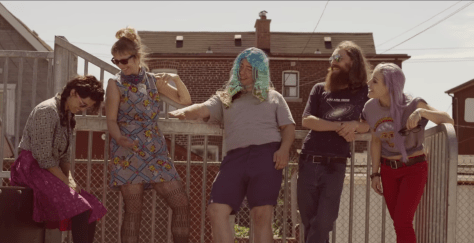
The video shows Adam Niebergall (of Tony Ho) as the main character who is granted his wish of long luxurious (color changing, sometimes psychedelic) hair and proceeds to only care about whipping that hair and head banging. While amongst trick bikers, on the beach, or a number of settings, he casts off all responsibilities, including his now pregnant romantic interest. Karma seems to exact its penance from him at the end of the video as he has given himself a fatal neck injury…as a result of his new flowing locks. It’s a modern pop/electronic fable about not focusing on the self, delivered in the humorous and yet biting way for which Bainbridge is known. Whether creating thought provoking and laughter eliciting films or music videos that still manage to carry his voice in their message, Roger Bainbridge has become known in Canada as the person to go to when you need someone to take a project from inception to production and presentation. He is pleased to be the means by which others can further their art whether it be in the role of Executive Producer, writer, or actor. Bainbridge admits that he is still sometimes jolted back into reality, in particular in regards to his involvement with musicians and their videos. He confirms, “I love music videos. I feel like I’m part of the generation that really got the last gasp of them on television. I grew up watching them on MuchMusic, watching for hours waiting for cool ones to come on. I really loved the stuff coming out for the 90’s British bands like Blur or Radiohead or Pulp. They were so glossy and arty and different. It made the world feel a lot bigger than the small Ontario town I grew up in. But it never really occurred to me that I’d ever have the occasion to make one.”