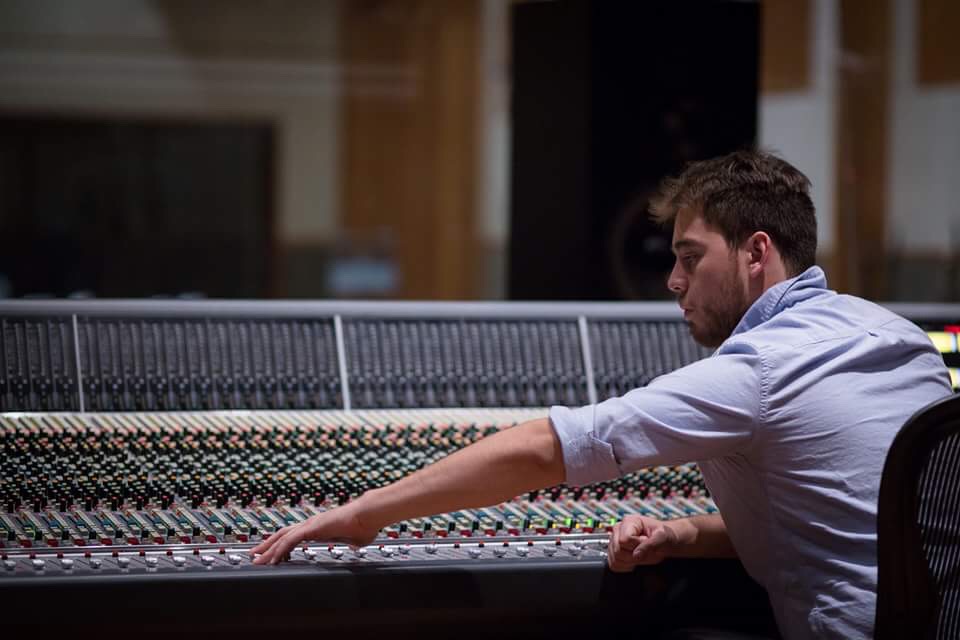
From animation to action blockbusters: diversity is key to audio engineer Mateo barragan’s success

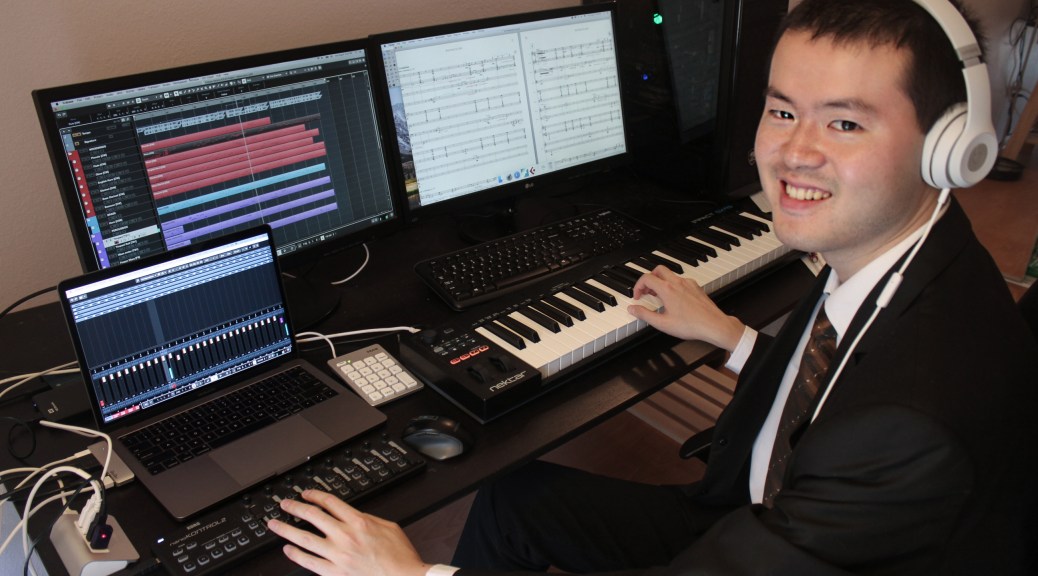
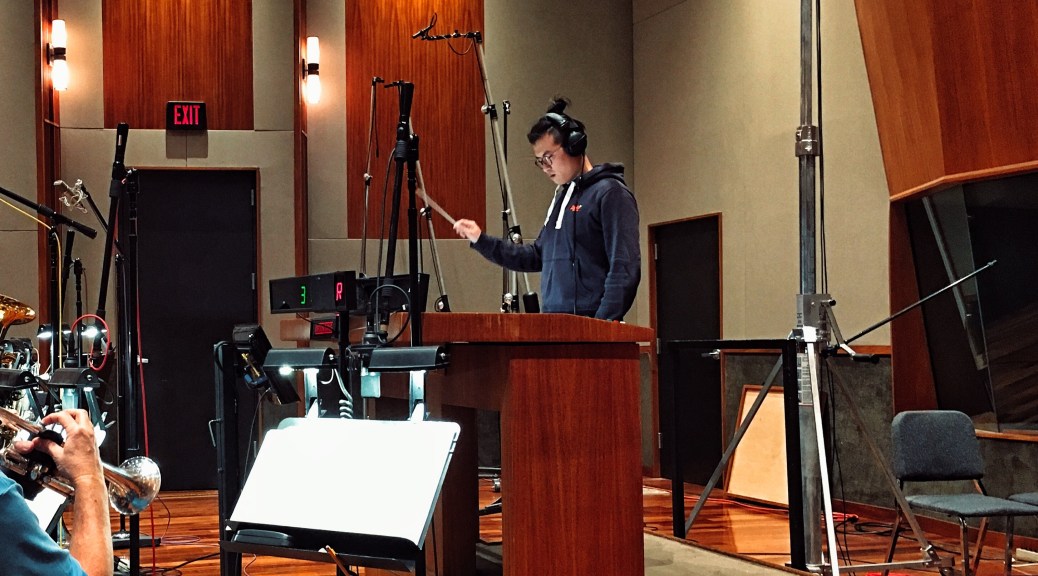
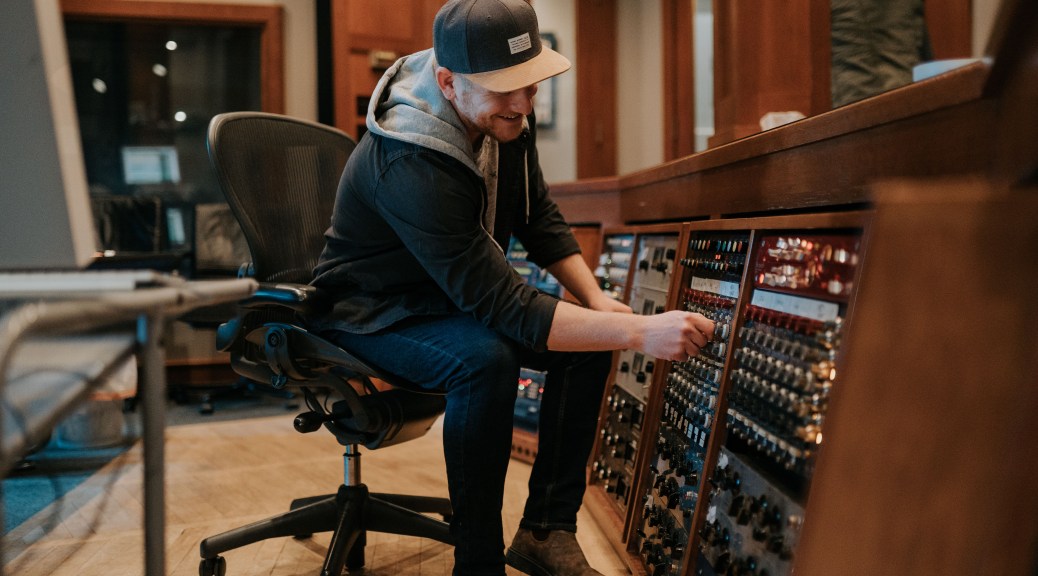
Mateo Barragan – Photography by Carolina Rizzotto

Becoming a successful and sought after audio engineer in the modern film industry requires someone with a meticulous ear for detail, and the ability to balance the mechanical aspects of the production’s music and overall sound, which includes everything from the sound of rain drops to the actors dialogue.

The audio engineer’s role on a film or TV production is vast and varied, with some projects calling them in to specifically edit the score or the project’s dialogue, and others requiring them to oversee the entire body of sound. Being able to not only solve any technical issues concerning the sound, but also being able to think creatively outside of the box while serving the artistic vision of the production is key.

We needn’t look further than audio engineer Mateo Barragan, who served as the score editor on “Deadpool 2,” to see the vast nature of skill that is required for an engineer to become a successful force in the industry. There’s no question that his mastery of recording, mixing and reproducing sound, all while actively listening to what the artist wants and what best fits the production, have made him stand out in a big way.

Mateo says, “To put it simply, my work as an audio engineer could be divided into three different aspects: recording, editing and mixing.”

Throughout his impressive career, Mateo has worked on everything from engineering the audio on voice-overs for video games and multimedia projects to recording Grammy Award winning albums and editing scores for hit TV series and multi-million dollar films. 

Over the past few years he’s become known for his work as an audio engineer involved in major films such as the Oscar Award winners “First Man” and “La La Land” starring Ryan Gosling, the 2018 comedy “The Spy Who Dumped Me” with Golden Globe nominee Mila Kunis (“Black Swan”), as well as the BAFTA Award winning video game Life is Strange 2 and Vicente Fernandez’s Grammy Award winning album “Un Azteca En EL Azteca.” 

One thing that makes Mateo’s work unique in comparison to most other fields is the degree of difference between his role on one project to the next– which means both his technical knowledge and creative abilities have to be incredibly expansive in order to successfully meet the varying demands of each production.

“I would say that one of my strongest qualities as an engineer is being able to adapt to any of the situations that come in my day to day work. I know there are engineers that focus on one specific type of work and I totally respect that, when I moved to LA I initially just wanted to work in music,” explains Mateo, who has spent the past four years as an audio engineer at Igloo Music Studios.

“Because of the wide range of clients and projects that Igloo Music has, I had to learn from recording a band, editing an orchestra for a movie score to record dialog for an animated series or a video game. Each of these projects have their different workflows but you still need to be able to deliver your best work as an engineer so adapting to all situations is essential.” 

Adaptability, drive and passion have all been key to Mateo’s success. In 2016 Mateo landed a key spot as an audio engineer at Igloo Music (“A Star Is Born,” “Mary Poppins Returns”) founded by five-time Grammy Award winning engineer and producer Gustavo Borner.

It was through Igloo that Mateo was tapped to come on board as the score editor of the hit Marvel film “Deadpool 2” starring Golden Globe nominee Ryan Reynolds (“The Proposal”) and Josh Brolin (“Avengers: Endgame”). 

As the score editor of “Deadpool 2,” which grossed over $785 million dollars worldwide and took home numerous awards including four Golden Trailer Awards, Mateo played an integral role in ensuring the film’s music seamlessly matched up with the final cut viewed by audiences.

“We recorded a full orchestra, percussion plus a choir,” explains Mateo. “It is important to edit the recorded music of a score because we are looking to obtain the best quality of sound for the music while maintaining the musical performance of the musicians.”

Working with a brilliant score composed by Tyler Bates  (“Guardians of the Galaxy,” “John Wick”), it came down to Mateo and the team at Igloo to digitally edit out any background noises while also ensuring the timing of the score matches the necessary parts of the film.

He says, “Regarding timing we have to make sure that the recorded music fits in naturally with all the other elements of the music… [But] it is really important to never ‘over edit’.”

“Deadpool 2” Movie Poster

Following the success of his work on “Deadpool 2,” Mateo was called in as the score editor on the Neil Armstrong biopic “First Man” directed by Damien Chazelle (“La La Land,” “Whiplash,” “10 Cloverfield Lane”).

The critically acclaimed masterpiece, which depicted the life story of American astronaut Neil Armstrong and the legendary space mission that led him to become the first man to walk on the moon, led Mateo to once again work alongside score mixer Nicholai Baxter (“Aladdin,” “The Disaster Artist”), whom he worked with on “Deadpool 2.” 

“On this specific project my role was very demanding because of the tight deadline we had, we needed to edit everything that was recorded immediately,” explains Mateo. 

“To put it in perspective, Nicholai was recording the orchestra at the scoring stage during the day. At night we would receive the recordings, we’d do a backup of the recorded files to our drives and then start editing immediately.” 

Mateo’s meticulous attention to detail, dedication, and ability to quickly solve audio problems once again proved to be integral to delivering a seamless edit for the film’s score. In the end, “First Man” was a major hit, with the film taking home an Oscar Award, as well as over 190 other nominations and 31 awards. 

“Mateo has been part of Igloo music for almost four years now and he has taken part in several projects during this time. We have worked together on a couple of albums such as ‘Un Azteca En El Azteca’ by Mexican artist Vicente Fernandez, two MTV Unplugged Albums/Dvds, and on several films such as ‘Deadpool 2’ and ‘Hobbs and Shaw’,” says Igloo founder Gustavo Borner.

“He is not only a skilled engineer and knowledgeable on the technical aspects needed for each project, but he is also a very dedicated person and always brings a great attitude to the team which is also a very important aspect of working with people.”

Undoubtedly what has set Mateo apart from others is the knowledge and skill that he has developed over the years which has allowed him to easily transition from one project to another. For example, shortly after working as the score editor on the hit films “Deadpool 2” and “First Man,” he was able to pivot his attention and take on the role as the dialog editor on the animated YouTube original series “Sherwood.” 

A refreshing take on the classic tale of Robin Hood created by Diana Manson (“Lucky Break”) and Megan Laughton (“Peter Rabbit”), the series tells the story of 14 year-old Robin and her friends, who embark on an inspiring journey to overcome inequality in a fight for justice.
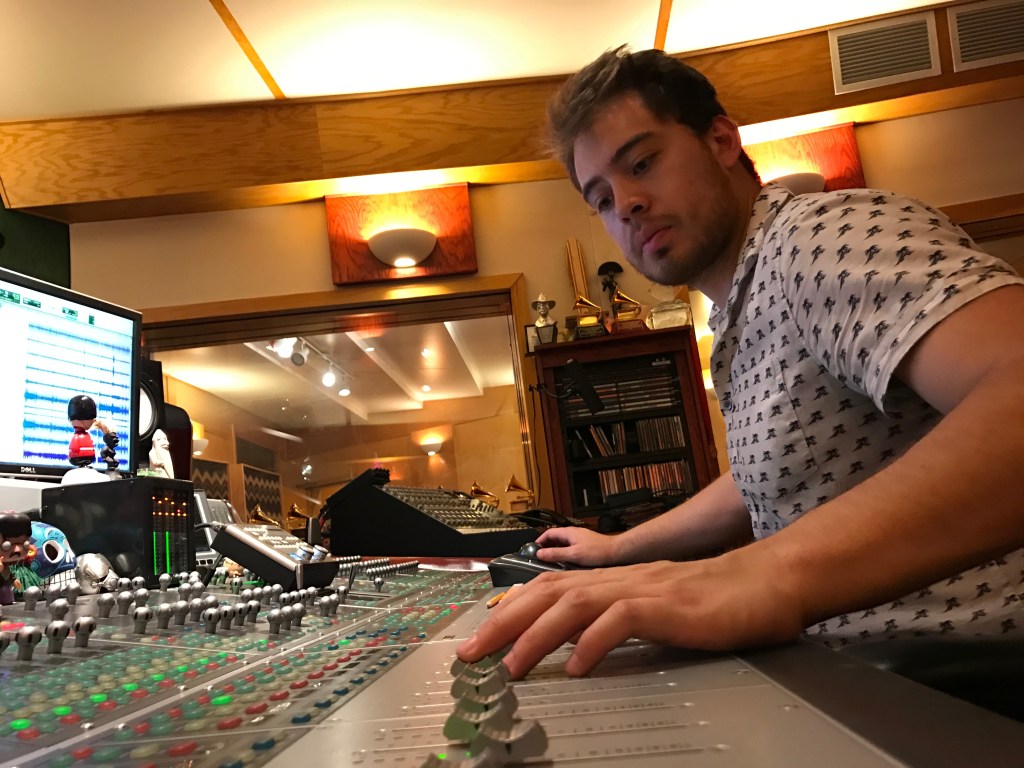
Mateo Barragan – Photography by Carolina Rizzotto

As the dialog editor of the series Mateo was in charge of making sure the audio was as clear as possible, which meant removing any background or mouth noises from the part of the actors, as well as ensuring that the dialog matched up with the script and the visuals. With millions of views, “Sherwood” was yet another hit program where Mateo’s work as an audio engineer proved invaluable to its success.

“I really enjoy working in voice over projects for series and animations however my passion and love will always be with music,” admits Mateo. “Being in a city like LA gives you the opportunity to meet and collaborate with so many talented musicians, artists and producers.”

With a booming track record of success, Mateo Barragan is a prime example of what it takes to become a powerful force in the industry. At the end of the day, it takes more than just talent to make it as an audio engineer in film and television, it takes the ability to transition between projects and handle various roles with ease, something Mateo has proven time and time again.
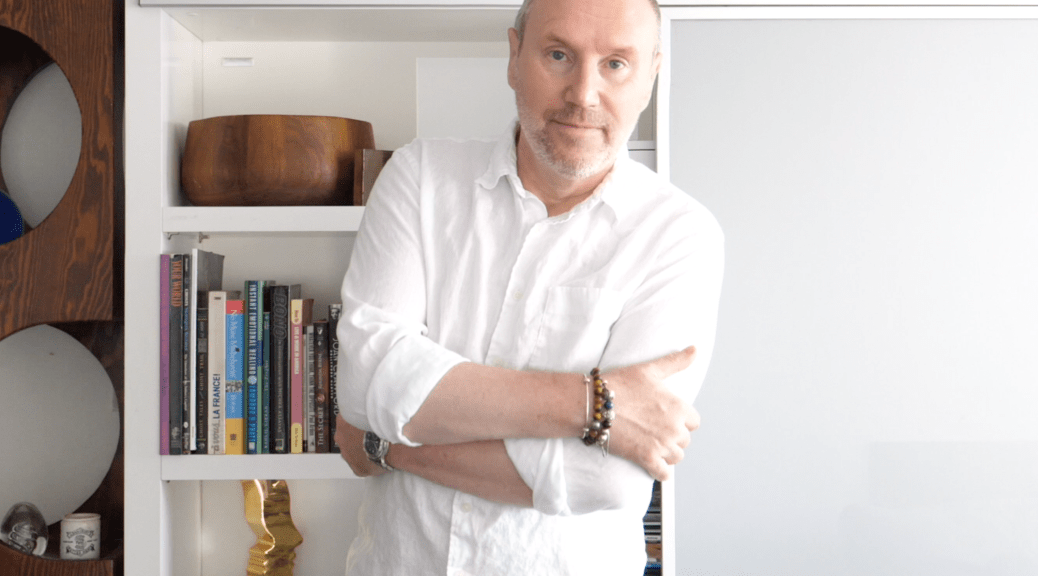
Britain’s Ron Carroll on passion for television and advice for newcomers

It seems Britain’s Ron Carroll has always known what he was destined to do in life. As a child in Liverpool, he used to play newsrooms in his bedroom, obsessed with typewriters and tape recorders. Even at that young age, the idea of being a journalist and creating compelling stories for the world excited him. When he finished university, he never felt lost the way so many do, wondering what their next move was. He knew he was going to be a writer, and quickly got his first job working for a newspaper.

Now, as a showrunner and development producer, Ron’s passion for detailed and accurate storytelling is seen on a grand scale. He traded in a pen and notebook for scripts and sets and has never looked back. Once his career in print journalism had taken off, he began wondering what else he could sink his teeth into. Television became the obvious next step.

The transition started when Ron was working as a senior producer on US talk shows. He went back to work in Britain for a while and got a really interesting opportunity, which came to him the moment he stepped off the plane. Sky TV, one of the UK’s largest networks, was launching a new daytime television show. It was live with phone-ins. They asked Ron to develop the format for the show and produce it, and that really put him on the career path he is on today, an industry leader in his country, developing new formats and launching new TV and Digital projects.

“It may not be everyone’s dream job, but it was one of mine. I loved producing talk shows. I still do, if I get the opportunity. Nothing is better than writing a funny line for the host or having a guest share a story and getting an immediate reaction from a live audience,” said Ron. “I get to meet all kinds of people. I have interviewed A-list celebrities, got to produce shows that make life-changing dreams come true for people, and in some small ways made a difference.”

Audiences all around the world have enjoyed Ron’s shows, whether binge-watching Blown Away on Netflix or waiting each week for the newest episode of Canada’s Next Top Model or Game of Homes. Ron knows how to tell a good story, and his roots in journalism only fuel his passion for reality television.

“When I am developing a new show, whether it’s my own idea or it belongs to a production company that hires me to help bring it to life, I am very guttural about it. Over-thinking can be the curse of death. I have witnessed great show ideas get grinded to a pulp because producers over-think. I always say know what you like and make the shows you love. I like to produce shows that have heart, humor and hope. Shows that genuinely make a difference to people’s lives, which is why producing Undercover Boss was so rewarding. At the end of the day, I am a viewer first and a producer second,” he said.

Ron has developed a “3-H formula” based on his success: Heart, Humor and Hope. These characteristics are always at the forefront of whatever he produces. When he looks back on his career, he has had many highlights, but it is making a real difference through his work that fuels him.

“I was the lead story producer on an ITV show that aired live across Britain on Christmas Day, and I had people in tears on both sides of the camera because of surprise reunions, uniting families across the globe. Well-crafted shows should connect with viewers in real and tangible ways,” he said.

So what’s next for this industry titan? Ron has several new shows that are at various stages of development, including the community-uniting format “The Tree” that he is very excited about. He also has several other shows in the works, in conjunction with collaborators, which include an exciting new design competition format, a reno series, and a fun food competition show. In addition, he has a strong and growing reputation as a content consultant. He is in increasing demand, working with production companies in the US, Canada and the UK, helping trouble-shoot their shows and help devise formats, pilots and presentations for both TV and Digital platforms. For those looking to follow in his footsteps, he offers some wise words:

“It worries me that so many people seem to leave media courses and not know how to apply for a job.  That’s a problem and they are being disserviced by colleges and universities. Know what you want and network. That’s code for pick up the phone and write emails to heads of departments. CC-in Human Resources if they have them but don’t rely on HR. Reach out and ask for meetings directly with frontline creatives. You have to be bold and tenacious. It’s a tough business and breaking into it is more competitive than ever. Some people will love you and some people won’t, because they don’t get you. There will be times when doors won’t open and you’ll get career-blocked. But, generally, if you don’t have too big an ego and you are willing to listen and learn and work hard, you will be welcomed with open arms, across all departments. And when you finally get to break into the industry, don’t work for free or at a reduced rate. Know your worth. Every time someone works for free or at a reduced rate, they devalue the industry they want to be part of,” he advised.

John Wate brings authentic Japanese culture to ‘Samurai Headhunters’ documentary

Whenever John Wate steps onto a film set, puts his eye to a camera lens, and starts making a movie, he is living his dream. Directing is a pleasure he can’t compare to anything else; it allows him to be in tune with what is happening in front of him, and all his senses go into overdrive. He spends every day doing what he truly loves, and this passion translates directly into his beautiful work.

For this German native, making a good movie is all about the research. He always aims to find the perfect story and the right characters, with the singular goal of leaving an impression on his audience. With his work on the Smithsonian’s Epic Warrior Women film series and movies like Samurai Warrior Queens, he does just that, showcasing why he is an industry-leading director in his country.

“I would say as a director you are a storyteller, and the way you have lived and seen the world will organically shape how you tell your stories. I found that the world is a treasure trove that has so much to offer in terms of stories and characters. Once I find that ‘one thing’ that interests me, I can start digging and I usually find gold,” said Wate.

Wate has spent many years directing masterful films and television series, including the TV movie Samurai Headhunters in 2013, that allowed him to explore a unique part of world history. It is a documentary on the dark and brutal side of the samurai warrior clans featuring the life of peasant Masa who is forced into the ruthless world of the samurai.

For over a thousand years, the samurai have been celebrated as an aristocratic warrior class. Exceptionally skilled and loyal until death, their very name has become a byword for honor and dignity. This film reveals the unknown dark side of the samurai – a fascinating tale of greed, treachery, extreme cruelty and violent death. Based on newly discovered samurai war manuals, Samurai Headhunters reconstructs the life of a young peasant farmer who is press-ganged into a warlord’s army. Driven by his love for a village girl of noble birth, young Masa quickly rises through the ranks from simple foot soldier to venerated samurai commander. But his reward is to be one of betrayal, lies and finally forced suicide by his fellow samurai. Interwoven with this dramatic story, two British historians track down remarkable new evidence from ancient war manuals that show the true, dark world of the samurai. The drama documentary also features a living samurai master and his students, as well as CG animation, stunning re-enactments, original costumes and historic locations.

“Everyone knows the samurai as loyal, courageous fighters with a strong moral code – but not many people know that this is only part of the story. During the almost 200 years of civil war in Japan the samurai got rewarded for their deeds in battle, which often meant for the number of heads they had taken. The film explores the unknown dark side of the samurai, how they cheated, lied and murdered to gain favors and advance their careers, the forbidden love between warriors, the atrocities of samurai warfare, and the danger to rise to fame in such an environment. I found all these facts about the dark side of the samurai as grizzly as they were fascinating,” said Wate.

After great success with his previous film, Ninja Shadow Warriors, Wate teamed up once again with Urban Canyons Producer Sebastian Peiter and together with researcher Anthony Cummins, they researched and built the concept for the film. Living in Japan at the time, Wate not only had extensive experience, but he also had direct links to the famous Japanese film studios in Kyoto, and through all his previous other documentaries had direct access to Japanese cultural icons, such as sword masters, swordsmiths or traditional armourers. He was the ideal director for the job.

“You need to have a feeling for Japanese manners and that what they say is not always what they mean. I think a lot of the fascination for the samurai comes from the exotic mixture of stoic readiness, their manners and proper conduct in life and in battle. But if you want to show that, you have to know HOW they did certain things and why. You can’t just use a Western blue-print to invent what the character would do. At that time I lived in Japan, I spoke the language and understood their manners and hints, like that a certain gesture can reveal the opposite of what has been said. The timing, the tempo or movement of people speaking at formal gatherings. These are all subtle things that can build an authentic exotic flavor that is fun to watch,” he said.

Samurai Headhunters has been extremely popular since its release. It has aired in over thirty countries, not only on television channels but also various exhibitions about the samurai culture. It is currently showing in the prestigious Kunsthalle Munich, a German national art museum.

Xin Yi helps take us back to the ‘80s with new ‘Rocket League: Radical Summer’ trailer

IMG_20350_1
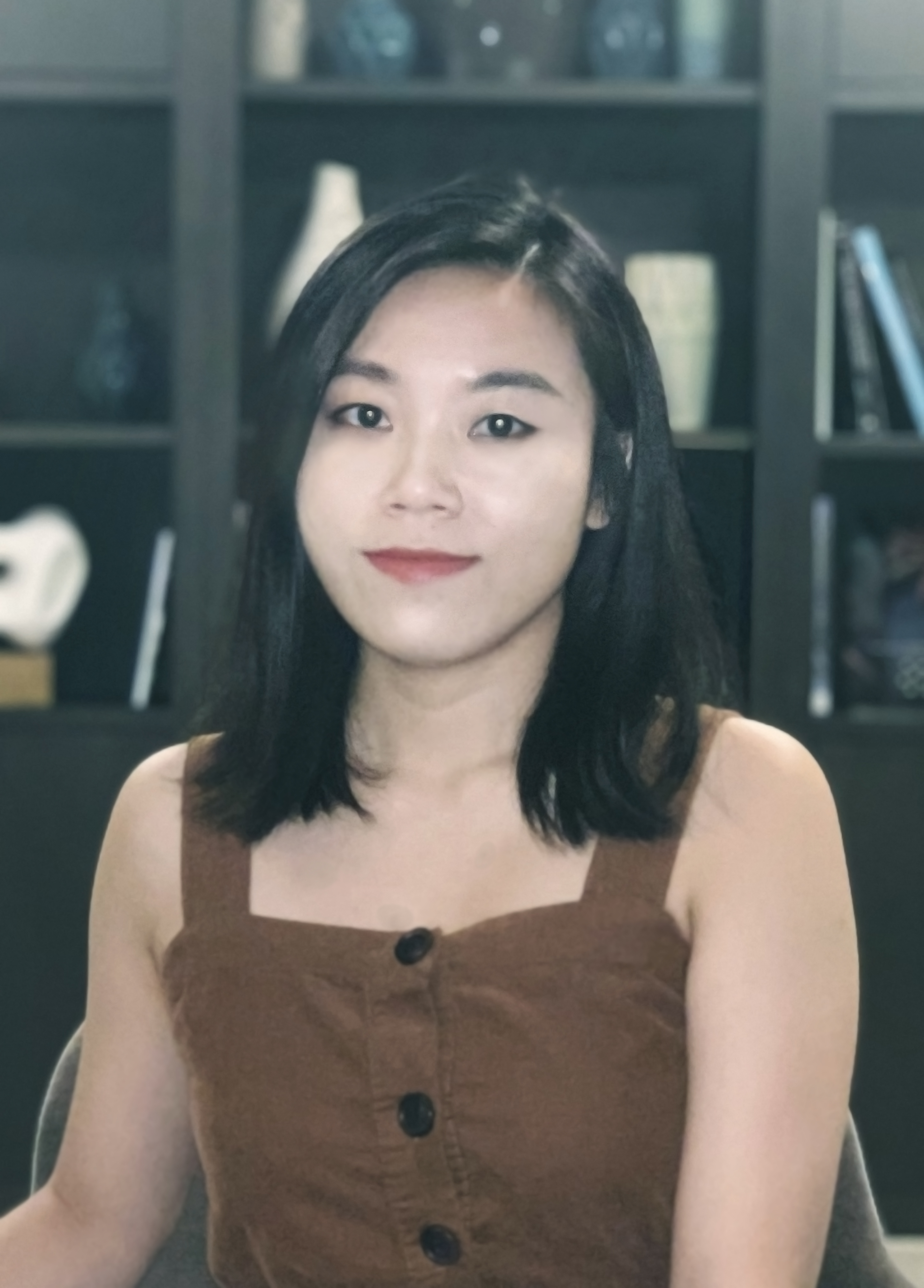
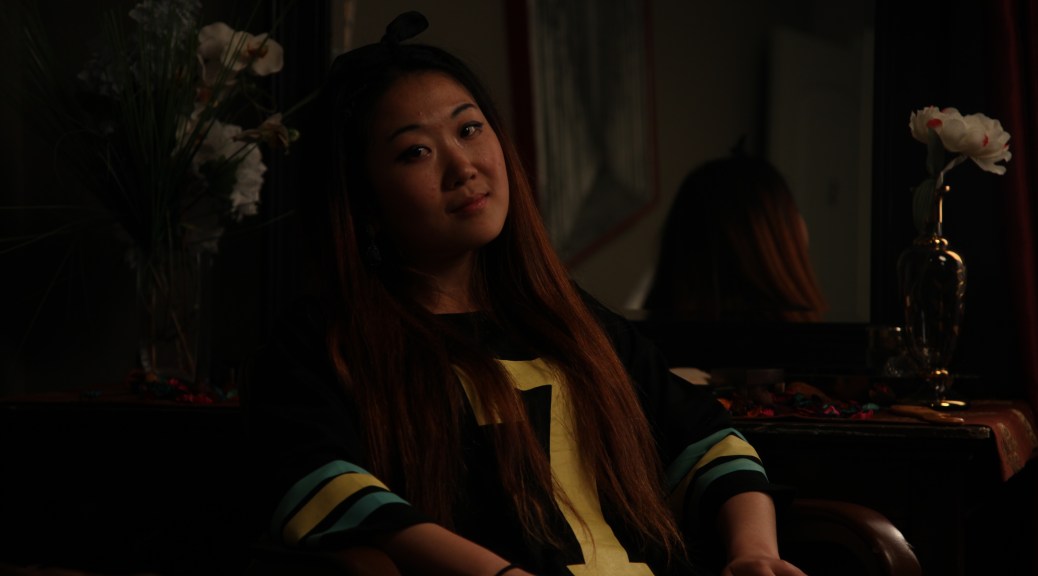
Xin Yi

As a renowned 3D Artist, creating stunning visual effects seen by audiences around the world, China’s Xin Yi is incredibly adaptable in her work. She does not have a specific style or trademark, but rather focuses on creating the most stunning imagery she can in whatever style the project demands. She can make visual effects look as realistic as a photograph, blending seamlessly with their surroundings, or a stylized animation that captures the hearts of its viewers.

This outstanding versatility is evident in all of her work, no matter the genre or medium. Whether creating the virtual set for NFL Redzone or modeling, materials, lighting, and some transitions and characters for the World of Warcraft Arena World Championship, Yi focuses on the details to create artistic effects.

Recently, millions around the world saw Yi’s work in the Rocket League: Radical Summer trailer, although they may not know it.

Rocket League is a vehicular video game developed and published by Psyonix. It is like soccer, but with rocket-powered cars and has up to four players assigned to each of the two teams, using rocket-powered vehicles to hit a ball into their opponent’s goal and score points over the course of a match. Released in 2015 for Microsoft Windows and PlayStation 4, with ports for Xbox One, macOS, Linux, and Nintendo Switch being released later on, it is a now iconic game, with its own professional league and a vast worldwide following.

Radical Summer is an extension of the game, a celebration of ’80s movies, television and culture. The extension has new items, game modes, DLC, and more. Available From 6/10 to 8/12 on Xbox One, PS4, Nintendo Switch, and PC.

“It is a pretty fun game to play with friends, even though I am not usually a gamer. The Radical Summer pack is super fun and cool as well,” said Yi.

After previous success on the Rocket League: McLaren 570S Car Pack Trailer in late 2018, Yi and her team at the motion graphics design and animation production studioCapacity were once again invited to create captivating cinematics to promote this new development of the game.

Before beginning work on the trailer, Yi did some research on Rocket League to know more about their style and at the same time, she watched movies from the ’80s and listened to music from that time period. Understanding more about the time period was essential in creating an ‘80s appearance and style in her work.

Yi did all of the rigging parts and exported them to let other teammates make an animation out of them and she also helped to animate one of the shots. She worked tirelessly to make the trailer both stunning to watch while matching the game’s style. She also did transition work to make the shot transfer to the next shot smoothly and did a composition for the TVs in the trailer to allow other artists to replace the footage easily.

“It is a really interesting project to work on. It brings us back to the ’80s, the rock music years. The pack is also using many elements from some 80’s culture, television from the decade and blockbusters,” said Yi.

Yi’s work on the rigs, animation, composing, materials, scene transitions, and renderings of this trailer paid off. The trailer was released on Rocket League’s official website and YouTube in June 2019. It received many positive comments and a lot of people were looking forward to playing the newly released pack. It has over 3.6 million views on the official YouTube link so far, and greatly contributed to the Radical Summerpack’s ongoing success.

You can check out the Rocket League: Radical Summer Trailer to see some of Yi’s beautiful 3D artistry.

Composer Weijun Chen dances away with audiences’ hearts in Aspen

The moment Weijun Chen puts his pencil to a piece of staff paper, he allows inspiration to overtake him. From the outside, watching him sketch notes onto a piece of paper, it may not seem like the most glamorous job, but when an orchestra is performing his music that he spent so long crafting, he feels truly alive.

Chen is a classical composer, writing music for symphony orchestras, chamber ensembles, instrumentalists, and singers, which is then performed at grand concert halls and music festivals all over the world. He is a renowned composer, best known for Three Earlier Songs, Watercolors, and Canoe, to name a few.

“I write every single note on the page, from vague ideas, sketches, to complete scores. In terms of the writing process itself, I am quite old-fashioned. I always start with pencil and staff paper, and eventually move to the computer during the engraving and mock-up stages. Once the piece is finished, I work closely with the musicians to bring the music to life. Often times, some of my works were written for a specific soloist or group of musicians, so the collaboration process starts during the writing stage. I also enjoy collaborating with artists from other disciplines, as my music often draws influence from poetry and visual arts,” said Chen.

Chen has seen much success throughout his career, but he believes the highlight came when he wrote the orchestral version of his piece Dancer. Already a success as a chamber piece, Chen decided to rework Dancer for an orchestra after being awarded the Jacob Druckman Prize by the Aspen Music Festival in 2015 with an invitation to the 2016 festival to premiere new work.

“I believe that writing for orchestra is a composer’s highest calling, and there is no better feeling than hearing your music performed by a large orchestra at a premier classical music festival in the beautiful mountains of Colorado,” said Chen.

Despite the title’s implications of continual movement and activity, Danceropens with somber stillness, a single chord that then gradually collapses under slowly descending scalar lines. As the glacial motion rises again through chromatic dissonances, gentle clusters form periodically, producing alternating moments of tension and relaxation. Then, after building in intensity, scale fragments and rapid turn figures cascade through the orchestra, initiating the swirling, dancing central section. This culminates in a growling climax and a grand pause, leading into the concluding slow section.

“When I was drafting this final slow section in February 2016, I was shocked and saddened to hear the news of American composer Steven Stucky’s passing. Stucky was the director of composition at the Aspen Music Festival where this piece later received its premiere. The last section unmistakably became an elegy, in memory of my beloved mentor,” said Chen.

Chen decided to create an orchestral version of Dancer after the success of the original chamber piece for several reasons. Musically, when he was working on the chamber version, he realized that the intended soundscape, in particular the overlapping scale lines, would have great potential written for an orchestra. When the opportunity arrived from the Aspen Music Festival in 2016, he jumped on it immediately.

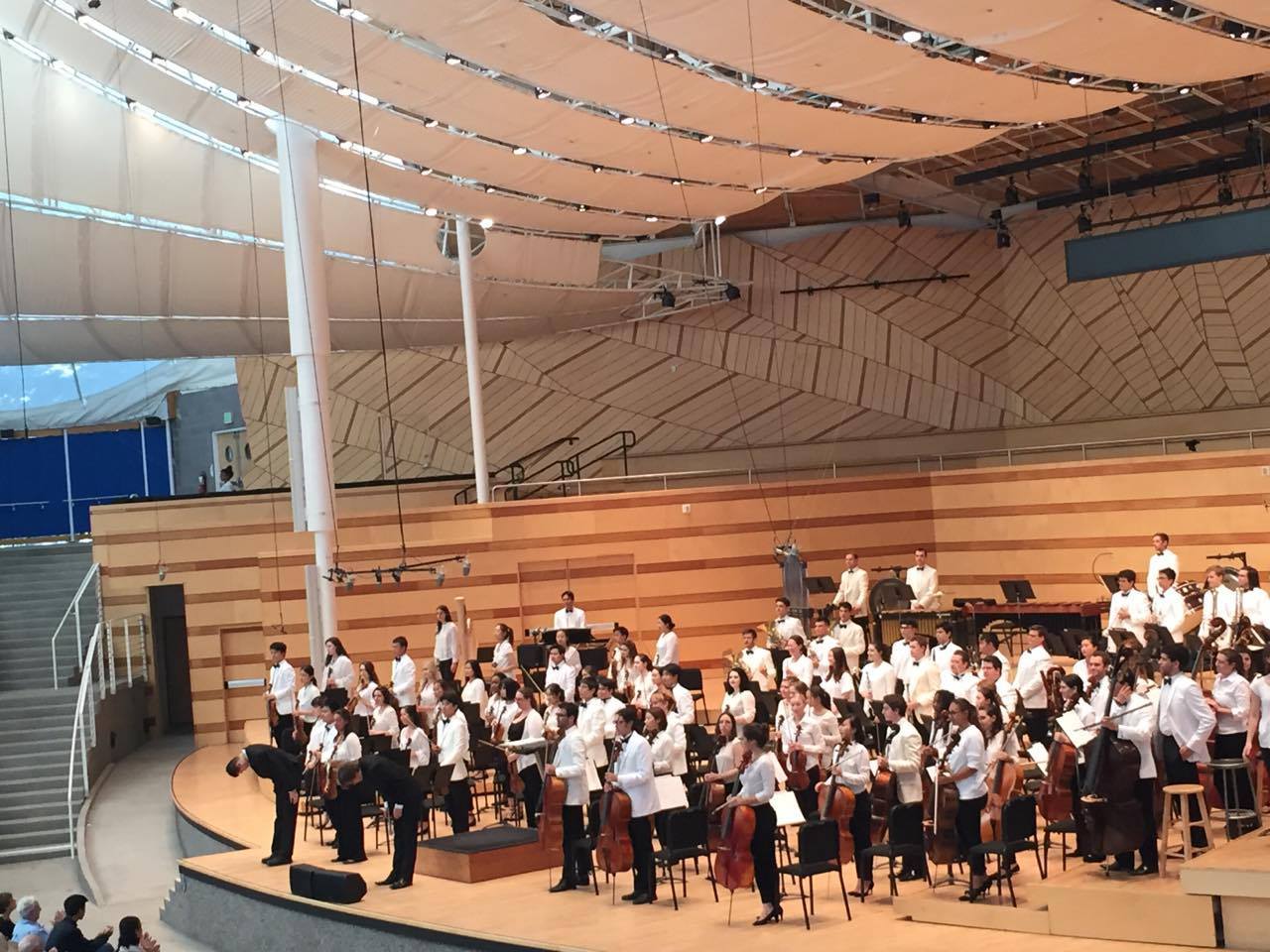
img0001
2016 Aspen Music Festival
Bowing after the premiere of Dancer
W/ Aspen Philharmonic Orchestra & conductor George Jackson

The orchestral version of Dancer is both an expansion and a reduction. By expansion, the ensemble got bigger by ten-fold, and Chen was able to fully take advantage of the color palate of an orchestra. Dovetailing techniques are used extensively in the piece, as Chen threads the scale materials across the entire orchestra. By reduction, he deleted a large portion of music from the chamber version, specifically the Spanish-dance-influenced melodic section, as he felt that the materials were out of focus and not as compelling.

“It was simply amazing to see how my music came alive in the hands of seventy incredibly talented young orchestral musicians, under the baton of Maestro Jackson. It was also immensely gratifying to hear the transformative improvements from one rehearsal to another, and the premiere performance was deeply moving,” said Chen.

After its premiere at the 2016 Aspen Music Festival, the performance received a brief mention in The Aspen Times. The reviewer, Harvey Steiman, stated that “Dancer explored resonant harmonies and sonorities and reflected fine command of orchestration and form.” The piece was also a finalist in the 2017-18 The American Prize in Composition, Orchestra Music.

“I felt extremely grateful. As composers, we completely rely on others (i.e., the musicians) to bring our wildest imaginations to life. It is even more true in an orchestral setting, simply due to the sheer number of players and moving parts. This piece would not exist without the support and dedication from the music festival, Maestro Jackson, and the amazing musicians of the Aspen Philharmonic Orchestra,” said Chen.

On top of its success, Dancer has deep meaning for Chen. The greatest reward, for the composer, was honoring his mentor and friend.

“It was impossible not to think of Steve when I was at the premiere in Aspen. I was honored to share this piece with many of his colleagues, friends, and students in the audience. I miss him dearly, and I hope that the success of the premiere would make him proud,” he concluded.


Cover photo by Ahron Cho

Max McLachlan helps kick-off the newest season of ‘The Voice Australia’

As a renowned cinematographer, Max McLachlan translates a vision into a visual. Through the use of lighting, camera, and lenses, he tells a story. Originally from the Northern Beaches of Sydney, Australia, McLachlan is now a recognized name around the world for what he does, and his passion for his work translates directly to what audiences see on screen.

“The Cinematographer must work closely with the Director to ensure their vision comes to life in front of the camera and I find that whole process so exciting and satisfying,” said McLachlan.

McLachlan is an asset to any project he takes on, with a vast knowledge in Steadicam operation that allows him to consider original camera movement suggestions that many may never have considered. This unique approach can be seen in many of his projects, from his new acclaimed horror flick The Furies to DZ Deathrays’ award-nominated music video “Like People”. He has extensive training in a variety of camerawork, and this versatility creates an outstanding viewing experience for audiences.

“I love the juxtaposition when handheld footage is cut together with Steadicam footage. If a scene goes from smooth Steadicam shots to all of a sudden handheld, then it gives the viewer an indication that the tone of the story is about to change and I love that,” he said.

Recently, millions of viewers around Australia got to see McLachlan’s work on their tv screens on the season premiere of The Voice Australia. The iconic singing competition is similar to the American format, where four celebrity judges blindly listen to contestants, looking to find the best voices to fill their team that they then coach. The contestants then battle it out throughout the weeks until one lucky artist is crowned “The Voice”. The most recent season in Australia features judges Delta Goodrem, Kelly Rowland, Boy George, and Guy Sebastian, global superstars that McLachlan worked closely with on the project.

“I think The Voice is a unique talent show in that the initial auditions are purely based off the singing ability of the performer, not on their looks. Too many talent shows focus only on the physical show of the performance and I think so many talented singers get overlooked because they don’t meet society’s image of what a pop star should look like. I also like the fact that each performer that makes it past auditions gets to choose which celebrity judge they want to be mentored by. This sets The Voice format apart from the rest and allows the viewer to look behind the curtain at the training and mentoring that takes place between each contestant and their celebrity mentor,” said McLachlan.

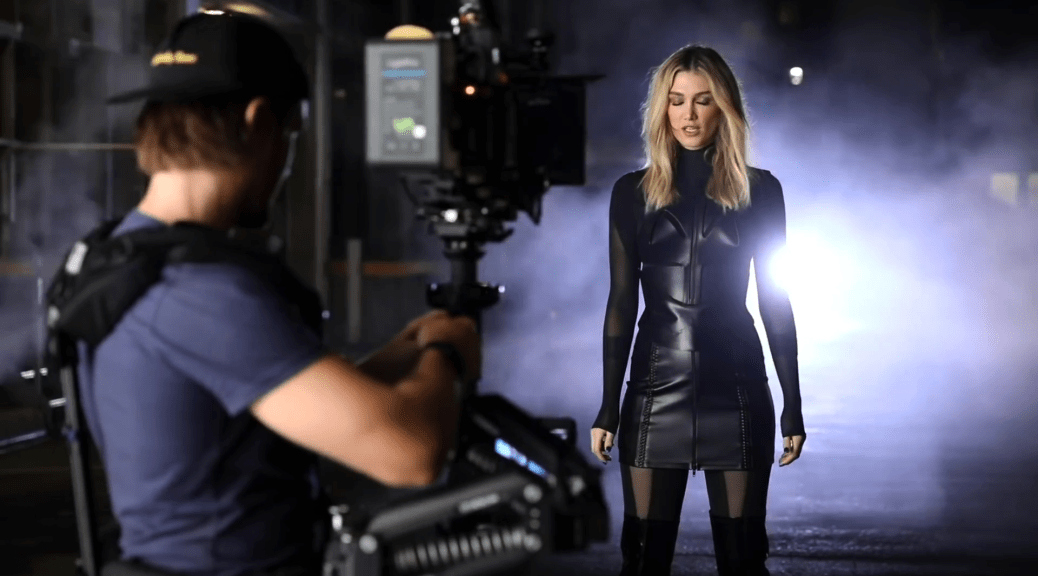
McLachlan was in charge of shooting the opener for the season, which featured the four judges singing Phil Collins’ iconic hit “In The Air Tonight.” Before the shoot, McLachlan sat down with Director of Photography Gregoire Liere and Director Harry Hunter to discuss the storyboard. There were a number of CGI elements they wanted to include into the edit as the whole sequence had a futuristic look and feel. For McLachlan, this meant leaving extra space in certain frames for special effects elements to take place.

On top of this, each celebrity judge had a different setting and required specific lighting, but the Steadicam moves stayed relatively the same for each scene. McLachlan was often finding ways to find the shots more dynamic. At one point, while the team was waiting for lighting to be adjusted with Boy George, he grabbed Liere’s attention and showed him a shot he had in mind where he rolled the camera from left to right as he pushed in on Boy George performing. The shot made it into the final cut and is extremely captivating.

“I think the large-scale nature of the shoot is what I liked most about the project. We had a different set for each of the judge’s performances and then an additional set where all four of them performed together. This allowed Gregoire and I to create a specific look for each judge in their environment. We also had a large lighting and camera support crew at our disposal, so we were able to implement lighting changes quite quickly without holding everyone up. It was also fun to work with the judges as they were professional and didn’t need too much direction or practice which allowed myself and Gregoire to get the most out of each shot,” McLachlan described.

The Voice Australia premiered on May 19th, 2019 and raked in almost two million viewers, one of the week’s most watched programs. McLachlan’s tremendous work for the opener became a hit online, with over 500,000 views on YouTube alone. It is a remarkable achievement and shows just how adept he is behind the camera.

“It was a great feeling being able to start the new season of The Voice Australia with a sequence that I was directly a part of. I think it is an incredible achievement. Our opener sequence with the judges helped set a high standard for the rest of the season of the show which I am stoked about. I think everyone involved in the production did an incredible job and should be very proud of what we achieved,” said McLachlan.

The Voice Australia is on 7 p.m. Sunday, 7:30 p.m. Monday, and 7:30 p.m. Tuesday on Nine Network in Australia. Be sure to check it out, and in the meantime, watch the Season 8 Opener here.

Hong Kong’s Samuel Lam gives musical life to new Chinese television series

Samuel Lam was born with a large birthmark on the right side of his face and spent much of his childhood alone because of it. Growing up in Hong Kong, it was hard for him, being a loner, but when he was 12 years of age, his sister bought him a guitar and his whole life changed. Music became a way to express himself, changing his personality and giving him something to connect with others.

Now, Lam is an industry leading composer and orchestrator is his home country and abroad. He has worked on multi-million-dollar blockbusters, such as Crazy Alien, to award-winning films like Mommy’s Girl. He has scored dozens of short films, and has many exciting projects on the way, including Paramount’s Playing with Fire, starring John Cena, Judy Greer and Keegan-Michael Key, directed by Andy Fickman, and Detective Chinatown, a 12 episode web-series, produced and written by Chen Sicheng, the director of the feature film of the same name, which generated over $600 million USD at the box office.

Lam is known all over the world for his talent, and recently worked on the highly anticipated Chinese series Paratrooper Spirit. The show is about a team of paratroopers with actual combat as their training ground, as they push hard to level up their fighting abilities and complete different missions. Set in the foreground of military reform, the story follows military men like Zhang Qi and Qi Xiao Tian. To develop an air force that can compete in the global stage, a special team called Guo Gai Tou has gathered. After the initial adjustment period, Guo Gai Tou began fighting wars in the North and South and challenging greater enemies. Warriors from Guo Gai Tou who are dispatched to other teams become aces in the field.

“It is a good way to increase understanding and knowledge about the military through the influence of media and entertainment. This show has a really interesting military service theme, the paratrooper,” said Lam.

Working on a series is far different than a feature film, and Lam was eager to work on his first television show with Paratrooper Spirit and working in television in China differs greatly from America. Rather than getting each episode weekly, as the U.S. does things, Lam got every episode of the show at once. Although there is a greater time crunch with this method, Lam likes knowing how the entire story is developed to orchestrate the score accordingly. He was given all 35 episodes of the season to work on and began by watching each one. Then he and his team started developing essential thematic materials such as main theme and melodies for characters that worked with each and every episode and helped to tell the story.

“It is very challenging working on a TV Show. Because of the large amount of content, you have to be very organized, and work at a super-fast pace. I had to arrange all kinds of music genres, from action orchestra, to rock and romantic pop song, and that was really fun,” said Lam.

It takes an extremely broad skill-set to orchestrate for a television show, and Lam possesses just that. He arranged hundreds of minutes of music for Paratrooper Spirit that will continue to be played over the show’s run, with millions hearing his work, and he couldn’t be more excited.

Paratrooper Spirit is currently being promoted in China and will be released in September 2019 on a major television network in the country. Be sure to keep an eye out for it.

Mix Engineer Jordan Oorebeek works with emerging Canadian pop icon Jordan Waller

With the infinite possibilities that music offers, no two days are the same for Jordan Oorebeek, an immensely talented and sought-after recording engineer, mix engineer, and producer in Canada. Every day has the same ultimate goal; make excellent art, but the unending variables of songs, personalities, studios, instruments, gear and glitches makes every day have its own unique challenges and rewards. He is constantly trying to put a moving puzzle together, and sometimes, he does not even know what it is supposed to look like until he takes a step back. When he has that “ah-ha!” moment, that adrenaline rush is why he loves what he does so much.

Oorebeek is known for his work with many prominent musicians in Canada, including Chris Buck Band, Wes Mack, George Canyon, and many more. He has made a significant mark in Canada’s country music scene, with many of his projects being nominated for CCMAs, and he was awarded with the 2018 British Columbia Country Music Association Recording Professional of the Year Award. For Oorebeek, however, it isn’t about awards or recognition; he simply just enjoys what he does.

“I love to create contrast and dynamics in my productions. I often employ bold transitions between a softly sung pre chorus with just an acoustic guitar, into a full band chorus with the singer belting out. I believe it’s this kind of contrast that we as humans love in every great story. Creating dynamic highs and lows in songs helps to mimic the emotional experience in life that makes us connect with music so deeply. My productions are more often than not very “hi-fi” and polished in nature, but I’ve also worked on many projects where a stripped down more raw and vulnerable approach was what the song needed. I know a lot of producers who really impart ‘their’ sound to a record, but that’s not really my style. My role as a producer is to be a creative liaison for the artist’s vision. I think it’s important to know when to stay out of the way and when to guide,” said Oorebeek.

Oorebeek’s success is not limited to the country music genre and has worked with many artists spanning across genres from electro-pop to rock. He recently collaborated with pop singer Jordan Waller on his newest album. Oorebeek loves mixing pop/dance songs, so when he first heard Waller’s music, he was really looking forward to working in this style. Waller’s music, although very pop driven, had elements of real drums, acoustic guitar and electric guitar, and Oorebeek loved that.

Before he starts mixing, Oorebeek always listens to the rough mix. It gives him cues and insight into what the producer’s vision is for the song. He finds it is a way of learning about the artist without them actually being there. When he began working on Waller’s music, he once again started in such a way. Then he began mixing.

A mix can make or break a great song, so when Oorebeek was mixing Waller’s music, he was always focusing on what elements in the mix were essential to bring forward. Which synths had a rhythm to them that gave him a feeling? What was the relationship between the kick and snare that made him want to move? How dark should the vocal be to match the tone of the lyric? He kept these questions in mind as he worked and paid close attention to all the elements in the tracks, making choices based on his experience.

“I always impart a bit of myself into every mix based on my personal taste. I think that’s the reason I was approached to mix these songs. I loved being creative with the use of effects in Jordan’s mixes,” said Oorebeek.

“This Feeling” was Waller’s first release and also his first single to chart. Oorebeek is extremely proud to have been a part of the success. Oorebeek worked on several more singles for Waller, whose debut album was released in February of this year.

“It’s always special when a debut single is received well right out the gate, especially as an unsigned, independent artist. You can never really predict how radio is going to receive a song, but while working on “This Feeling” I felt there was something special about it. It’s great when that gut feeling I get is affirmed by commercial success,” he concluded.

Producer Jamly Yang shoots in stunning locations for award winning commercial

One of the most life changing events in Jamly Yang’s life occurred when she was only a child and watched a feature film for the first time. She was transfixed by what she saw, not only by the story, but how everything looked so real. She remembers being convinced that the action shots and detailed war scenes were actually happening in front of her eyes and had to be consoled by her mother. After the movie finished, she became obsessed with the idea of one day making films of her own, with impactful stories that could touch audiences.

Now, Yang does just that, as a celebrated producer in her home country and abroad. Working on acclaimed films like Step Out, The Screenwriter in the Restroom, Billy’s Bear, and many more, Yang has combined her passion for storytelling with her determined mindset.

Yang has also worked with internationally recognized brands, such as Nike and Doritos, on many revenue generating commercials. Just last year, she worked on a commercial for Alpha Browser, an interactive mobile browser and all-in-one tool. The commercial is a powerful video that shows how Alpha Browser can help you in your daily life.

“I like how the commercial approaches it’s idea, instead of just introducing the product, which is what most tech companies would do, it shows people’s daily life, making the audience relate to the product,” said Yang.

Shooting the commercial involved a great deal of travelling between locations for the cast and crew, and Yang was in charge of organizing it all. She planned everything, from the hotel booking, to casting, to the budget, and even assisted with shooting when necessary.

“I loved the pretty location we shot in. What is different about commercials from film is the beauty of every frame. We can show a lot of pretty landscapes and use them to draw the audience’s attention. This is great for me because I love to travel, and on commercials you do a lot of it,” she said.

Under Yang’s leadership as the producer, the commercial went on to win several awards, including Best Commercial at the Calcutta International Cult Film Festival in both 2018 and 2019. It was also distributed internationally by ATK technology, directly contributing to sales for the product. Yang could not be prouder of what she and her team achieved, and as a fan of the Alpha Browser, she truly believed in the message she was putting out there.

“I like how it is designed. Every button is very clear and easy to understand. Compared to many of the other major browsers out on the market, Alpha Browser is more personalized. It’s more like your own account rather than just a browser. Whenever you use it, you feel at home, not in the internet ocean,” she said.

Yang has worked incredibly hard to get to where she is today, determined to achieve her childhood dream. Now that she has done so, she says the hard work doesn’t stop, and in order to continue her success, she treats every new project as a learning experience, constantly staying a student in an ever-changing world.

“This is an industry where you can’t expect fast success,” she said. “I guess just like every industry, there is nothing easy, and being passionate is the key. If you are still full of energy and love what you do after a long day, then don’t give up. Go for it and fear nothing.”

Watch the Alpha Browser commercial here.


Canada’s Evan Marsh goes up North for Netflix’s new hit series

Growing up in Woodstock, Ontario, Evan Marsh often found himself going through the VHS tapes in his father’s music/entertainment store. He would pick multiple movies and go home at night and watch them non-stop, learning them word-for-word. Even at a young age, he had a natural ability to understand people and their emotions, with an innate talent for mimicking voices and characters. Such a combination of skills left only one option for Marsh, and he still to this day felt he was destined to become an actor.

Now, Marsh is an industry-leading actor in Canada, having starred in many of the country’s hit films and television shows that have gone on to great international success. Most recently, audiences all over the world can see him star in DC’s newest blockbuster Shazam! and the critically-acclaimed film Giant Little Ones that is currently in theatres. His resume is filled with similar projects, having starred in the hit comedy The Space Between and the award-winning movie The Journey Is the Destination.

“I have come to learn that I have a very unique style of acting. Most people have their hit, be it ‘serious’ or ‘the villain’, etc. However, I take a lot of pride in saying I don’t have a particular hit. I enjoy surprising an audience by bringing humor to a dark scene or vice-versa. I consider myself skilled at being able to bring multiple ‘hits’ to one role without making it seem tacky or overdone. I believe it is a main reason for my success today,” said Marsh.

Also a star on the small-screen, Marsh has been in many popular television shows, including the CBC’s newest hit, Northern Rescue. After the death of his wife Sarah, John West (William Baldwin) packs up his three children and transports them from their hectic urban life to his small northern hometown to take command of the local search-and-rescue service. Once there, the family struggles with their new surroundings, new friends, and accepting Sarah’s death. The children’s aunt (Kathleen Robertson), helps them and John heal as she copes with the loss of her sister and her desire to have her own family. The series from Don Carmody Television (DCTV) was created by David Cormican, Dwayne Hill and Mark Bacci.

“This story deals with an abrupt death in the West family, which is unfortunately a situation many families find themselves in. It also deals with moving forward and continuing with your life after a bump in the road. I believe a story like that is incredibly important because anyone can find hope in that. There are so many stories about superheroes and wizards, which are great in their own way, but it is nice to have a family-based drama for people to relate to,” said Marsh.

In Northern Rescue, Marsh plays Henry, a charming young man who connects Maddie West, John’s teenage daughter, with her new home of Turtle Bay Island. He immediately sparks an interest in her. He treats her like a princess and wants to be her boyfriend. Throughout the series, he become quite close with her and her family and ultimately plays a major role in the series finale with her and her father John.

Henry takes Maddie from feeling like an outcast to loving the small town, and also acts as the perfect comedic relief for a show that is otherwise dark and dramatic. Every show in this genre needs someone to make you smile and laugh to even out the sadness, and Henry is that guy; Marsh was the perfect actor to play him, ready for the task, knowing he had to be both funny and sincere. In the end, he took the role and soared, completely enchanting audiences with his portrayal and becoming a fan-favorite.

“This show was filmed in Parry Sound, Ontario, which is a beautiful place to live. I was there for the better part of four months and I loved every second of it. It allowed me and the rest of the cast to really feel like we were in the fictional town of ‘Turtle Island Bay’ while living there. Also, the cast and I became closer than I ever have on any other project. We lived in the same house and became like a family,” said Marsh.

Northern Rescue premiered March 1st, 2019 on CBC in Canada and is distributed internationally on Netflix. On top of resonating with fans all over the world, it has received tremendous critical acclaim, being listed as a must-see rising show on TVTIME, among others.

“It is very rewarding knowing Northern Rescue has had such a warm welcome from fans. I think my fellow cast members did such an amazing job with each of their characters and it really shows. The show has so much heart that it isn’t surprising how beautiful and touching the final product ended up being. Here is to seeing more Henry on Northern Rescue down the road,” said Marsh.

Northern Rescue is available on Netflix around the world. Binge-watch the entire first season to get caught up on the drama and check out Marsh’s captivating portrayal of Henry.


Everything you ever wanted to know about Hollywood's who's-who.